- Orthopedic Massage Therapy
- Benefits of Orthopedic Massage
- Benefits of Magnetic Therapy
- Craniosacral Therapy
- Lomilomi Massage Therapy
- Thai Massage Therapy
- Therapeutic Massage
- Trigger Point Therapy
- Sports Massage Therapy
- Sports Massage Techniques
- Shiatsu Massage Therapy
- Shiatsu Foot Massage
- Shiatsu Facial Massage
- Shiatsu Back Massage
- Reflexology Therapy
- Reflexology Treatment
- Reflexology Foot Massage
- Amma Massage Therapy
- Baby Massage Therapy
- Benefits of Baby Massage
- Body Massage
- Benefits of Body Massage
- Deep Tissue Massage Therapy
- Pregnancy Massage Therapy
- Energy Healing Therapy
- Benefits of Energy Healing Therapy
- Myotherapy
- Benefits of Myotherapy
- Neuromuscular Massage Therapy
- Polarity Therapy
- Geriatric Massage Therapy
- Abdominal Massage
- Abdominal Massage Techniques
- Acupressure Massage
- Ayurvedic Massage
- Ayurvedic Head Massage
- Ayurvedic Face Massage
- Back Massage Techniques
- Benefits of Acupressure
- Benefits of Lymphatic Massage
- Common Forms of Hydrotherapy
- Esalen Massage
- Esalen massage technique
- Foot Massage
- Hand Massage
- Hand Reflexology
- Head Massage
- Holistic Massage
- Holistic Treatment
- Hydrotherapy
- Leg Massage
- Lymph Edema Treatment
- Lymphatic facial massage
- Lymphatic Massage
- Magnet Therapy
- Manual Lymph Drainage
- Neck Massage
- Pregnancy Massage
- Pregnancy Massage Benefits
- Acupressure Facial Massage
- Ayurvedic Foot Massage
- Ayurvedic Treatments
- Holistic Massage Therapy
- Holistic Therapeutic Massage
- Holistic Touch Massage
- Lymphatic Massage Techniques
- Ayurvedic Massage Techniques
- Ayurvedic Massage Therapy
- Foot Massage Equipment
- Frozen Shoulder Massage
- Hand Massage Techniques
- Scalp Massage Benefits
- Swedish Esalen Massage
- Aromatherapy Massage
- Acupressure Foot Massage
- Benefits of Aromatherapy
- Acupressure and Therapeutic Massage
- Aromatherapy Massage Oil
- Benefits of Zero Balancing Massage Therapy
- Benefits of Geriatric Massage
- Benefits of Lomi Lomi Massage Therapy
- Medical Massage Therapy
- Pregnancy Massage Techniques
- Touch Therapy Massage
- Shoulder Massage
- Scalp Massage
- Reflexology Massage
- Reiki Meditation
- Reiki Treatment
- Reflexology Massage Techniques
- Scalp Massage Techniques
- Ayurvedic Scalp Massage
- Scalp Massage Oil
- Leg Massage Equipments
- Shoulder Massage Techniques
- Benefits of Craniosacral Therapy
- Magnetic Treatment
- Benefits of Sports Massage Therapy
- Ashiatsu Massage
- Abhyanga Massage
- Advanced Therapeutic Massage
- Alternative Massage Therapy
- Back Massage Therapy
- Balinese Massage
- Balneotherapy
- Bowen Massage Therapy
- Bowen Therapy Technique
- Breath Therapy
- Champissage
- Colon Hydrotherapy
- Colon Hydrotherapy Benefits
- Connective Tissue Massage
- Craniosacral Therapy Techniques
- Deep Muscle Massage
- Hakomi Therapy
- Kriya Massage
- La Stone Therapy
- Muscular Therapy
- Myofascial Trigger Point Therapy
- Naprapathy
- Phytotherapy
- Relaxation massage
- Head and Scalp Massage
- Leg Massage Techniques
- Spinal Therapy
- Swedish massage Techniques
- Swedish massage Therapy
- Types of Massage Therapy
- Water Massage
- Acrosage
- Acu Yoga
- Acupuncture Therapy
- Gyrotonic Pilates
- Head Massage Techniques
- Neck Massage Benefits
- Neck Massage Techniques
- Oncology Massage Therapy
- Acupuncture Treatment
- Belavi Facelift Massage
- Benefits of Acupuncture
- Chiropractic Massage
- Chiropractic Treatment
- Hoshino Therapy
- Applied Kinesiology
- Attunement
- Chakra Healing
- Japanese Massage Therapy
- Push Therapy
- Restoration Therapy
- SHEN Therapy
- Somatic Movement Therapy
- Structural Energetic Therapy
- Thalassotherapy
- Vibrational Healing Massage Therapy
- Vortex Healing
- Watsu Massage
- Zen Body Therapy
- Zero Balancing Massage Therapy
- Breast Massage Therapy
- Chinese Massage
- Esoteric Healing
- Color Therapy
- Colorpuncture
- Integrative Manual Therapy
- Jamu Massage
- Massotherapy
- Movement Therapy
- Myomassology
- Myopathic Muscular Therapy
- Ohashiatsu
- Reflective Therapy
- Pranic Healing
- Restorative Massage
- Onsen Technique
- Unified Field Therapy
- Zen Shiatsu
- Russian Massage
- Trauma Touch Therapy
- Trigger Point Myotherapy
- Healing Hands Massage
- Body Massage Therapy
- Benefits of Sports Massage
- Shiatsu Massage Chair
- Hot Oil Massage
- Acupuncture for Fertility
- Cupping Massage
- Chocolate Massage
- Oriental Massage Therapy
- Mobile Massage
- Remedial Massage Therapy
- Bamboo Massage
- Geriatric Massage Training
- Tao Massage
- Massage Balls
- Massage Table
- Panchakarma
- Asian Massage Therapy
- Yoga Massage
- Choosing Right Massage Chair
- Raindrop Massage Therapy
- Massage Therapist Salary
- Rolfing Therapy
- Benefits of Massage Therapy
- Massage Therapy Techniques
- Massage Therapy Equipments
- Chair Massage
Cryotherapy: Annihilating the Diseased Tissue
Cryotherapy involves the usage of freezing temperature to annihilate the diseased tissues. It is also referred to as cryoablation, cryosurgery or targeted cryoablation therapy. It is minimally invasive tissue that is capable of eliminating cancer cells.
This technique comprises of application of argon gas or liquid nitrogen on the diseased cells, which is present outside or inside the body. Cryotherapy requires certain techniques,.
Related Articles
Related Blogs
Related Topics
Yoga Questions
Continued...
.such as magnetic resonance, ultrasound or computed tomography for treatmentn Cryotherapy benefits certain conditions such as freckles, skin tumours, nodules, retinoblastoma (retinal cancer in childhood), precancerous skin moles, liver, prostate and cervical cancere
The effect of cryotherapy on other conditions, namely fibro adenomas or breast lumps, bone tumour and tumours of the lung, brain, spine and kidney is under researchc Individuals are provided with antibioticsc This provides relief from infection and prevents the samem Notify the physician regarding any kind of allergies, such as allergy to anaesthesia, x-ray dye and so ono Inform the physician regarding pregnancies as imaging techniques, which involve harmful radiations, prove dangerous for the foetusu Painkillers relieve any kind of discomfort, prior to cryotherapyp
In this procedure a spray device or cotton swab is usede A bronchoscope is used during cryotherapy, to enable the examination of the respiratory passageg Certain equipments monitor the blood pressure and heart beat of the individual during the techniqueu A cryoprobe is used to deliver the gas, in case of internal injuries or tumoursr It has an array of small needles, which is inserted into the skini This cures the tissue that is diseasede
In the case of external injury, a cotton swab is helpfulu
The reduced temperature destroys the affected cells due to three reasonsn Firstly, the ice crystals are at a temperature of -40 degree Celsius, which results in cell teara Secondly, presence of ice results in osmosisi This causes shrinkage of the cells, due to formation of icec The tumours are frozen due to reduced temperature, which is followed by the second procedure of thawingn The latter results in the inflow of water, thereby bursts the cellsl
Lastly, formation of ice within the cells results in suffocationo This causes a shortage of the blood thereby the affected cells ceases The temperature is maintained for ten minutes, as the average clotting time is around ten minutese The white blood cells act as scavengers in the removal of the dead cellsl It also enhances the immune systeme Cryotherapy causes scars in minimal amounts and prevents calcificationsn
p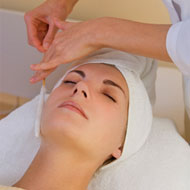
Cryotherapy