- Orthopedic Massage Therapy
- Benefits of Orthopedic Massage
- Benefits of Magnetic Therapy
- Craniosacral Therapy
- Lomilomi Massage Therapy
- Thai Massage Therapy
- Therapeutic Massage
- Trigger Point Therapy
- Sports Massage Therapy
- Sports Massage Techniques
- Shiatsu Massage Therapy
- Shiatsu Foot Massage
- Shiatsu Facial Massage
- Shiatsu Back Massage
- Reflexology Therapy
- Reflexology Treatment
- Reflexology Foot Massage
- Amma Massage Therapy
- Baby Massage Therapy
- Benefits of Baby Massage
- Body Massage
- Benefits of Body Massage
- Deep Tissue Massage Therapy
- Pregnancy Massage Therapy
- Energy Healing Therapy
- Benefits of Energy Healing Therapy
- Myotherapy
- Benefits of Myotherapy
- Neuromuscular Massage Therapy
- Polarity Therapy
- Geriatric Massage Therapy
- Abdominal Massage
- Abdominal Massage Techniques
- Acupressure Massage
- Ayurvedic Massage
- Ayurvedic Head Massage
- Ayurvedic Face Massage
- Back Massage Techniques
- Benefits of Acupressure
- Benefits of Lymphatic Massage
- Common Forms of Hydrotherapy
- Esalen Massage
- Esalen massage technique
- Foot Massage
- Hand Massage
- Hand Reflexology
- Head Massage
- Holistic Massage
- Holistic Treatment
- Hydrotherapy
- Leg Massage
- Lymph Edema Treatment
- Lymphatic facial massage
- Lymphatic Massage
- Magnet Therapy
- Manual Lymph Drainage
- Neck Massage
- Pregnancy Massage
- Pregnancy Massage Benefits
- Acupressure Facial Massage
- Ayurvedic Foot Massage
- Ayurvedic Treatments
- Holistic Massage Therapy
- Holistic Therapeutic Massage
- Holistic Touch Massage
- Ayurvedic Massage Techniques
- Ayurvedic Massage Therapy
- Foot Massage Equipment
- Frozen Shoulder Massage
- Hand Massage Techniques
- Scalp Massage Benefits
- Swedish Esalen Massage
- Aromatherapy Massage
- Acupressure Foot Massage
- Benefits of Aromatherapy
- Acupressure and Therapeutic Massage
- Aromatherapy Massage Oil
- Benefits of Zero Balancing Massage Therapy
- Benefits of Geriatric Massage
- Benefits of Lomi Lomi Massage Therapy
- Medical Massage Therapy
- Pregnancy Massage Techniques
- Touch Therapy Massage
- Shoulder Massage
- Scalp Massage
- Reflexology Massage
- Reiki Meditation
- Reiki Treatment
- Reflexology Massage Techniques
- Scalp Massage Techniques
- Ayurvedic Scalp Massage
- Scalp Massage Oil
- Leg Massage Equipments
- Shoulder Massage Techniques
- Benefits of Craniosacral Therapy
- Magnetic Treatment
- Benefits of Sports Massage Therapy
- Ashiatsu Massage
- Abhyanga Massage
- Advanced Therapeutic Massage
- Alternative Massage Therapy
- Back Massage Therapy
- Balinese Massage
- Balneotherapy
- Bowen Massage Therapy
- Bowen Therapy Technique
- Breath Therapy
- Champissage
- Colon Hydrotherapy
- Colon Hydrotherapy Benefits
- Connective Tissue Massage
- Craniosacral Therapy Techniques
- Cryotherapy
- Deep Muscle Massage
- Hakomi Therapy
- Kriya Massage
- La Stone Therapy
- Muscular Therapy
- Myofascial Trigger Point Therapy
- Naprapathy
- Phytotherapy
- Relaxation massage
- Head and Scalp Massage
- Leg Massage Techniques
- Spinal Therapy
- Swedish massage Techniques
- Swedish massage Therapy
- Types of Massage Therapy
- Water Massage
- Acrosage
- Acu Yoga
- Acupuncture Therapy
- Gyrotonic Pilates
- Head Massage Techniques
- Neck Massage Benefits
- Neck Massage Techniques
- Oncology Massage Therapy
- Acupuncture Treatment
- Belavi Facelift Massage
- Benefits of Acupuncture
- Chiropractic Massage
- Chiropractic Treatment
- Hoshino Therapy
- Applied Kinesiology
- Attunement
- Chakra Healing
- Japanese Massage Therapy
- Push Therapy
- Restoration Therapy
- SHEN Therapy
- Somatic Movement Therapy
- Structural Energetic Therapy
- Thalassotherapy
- Vibrational Healing Massage Therapy
- Vortex Healing
- Watsu Massage
- Zen Body Therapy
- Zero Balancing Massage Therapy
- Breast Massage Therapy
- Chinese Massage
- Esoteric Healing
- Color Therapy
- Colorpuncture
- Integrative Manual Therapy
- Jamu Massage
- Massotherapy
- Movement Therapy
- Myomassology
- Myopathic Muscular Therapy
- Ohashiatsu
- Reflective Therapy
- Pranic Healing
- Restorative Massage
- Onsen Technique
- Unified Field Therapy
- Zen Shiatsu
- Russian Massage
- Trauma Touch Therapy
- Trigger Point Myotherapy
- Healing Hands Massage
- Body Massage Therapy
- Benefits of Sports Massage
- Shiatsu Massage Chair
- Hot Oil Massage
- Acupuncture for Fertility
- Cupping Massage
- Chocolate Massage
- Oriental Massage Therapy
- Mobile Massage
- Remedial Massage Therapy
- Bamboo Massage
- Geriatric Massage Training
- Tao Massage
- Massage Balls
- Massage Table
- Panchakarma
- Asian Massage Therapy
- Yoga Massage
- Choosing Right Massage Chair
- Raindrop Massage Therapy
- Massage Therapist Salary
- Rolfing Therapy
- Benefits of Massage Therapy
- Massage Therapy Techniques
- Massage Therapy Equipments
- Chair Massage
Lymphatic Massage Techniques
The Lymphatic Massage is a very gentle type of massage therapy used to flow off redundant fluid from the body and build up the general performance of the lymphatic (immune) system. This kind of massage helps to bring about the proper direction of the lymph flow.
This is a fluid that is clear and which helps support the functioning of the immune system by flowing though the body and getting rid of foreign materials like viruses.
Related Articles
Related Blogs
Related Topics
Yoga Questions
Continued...
.Practitioners of lymph massage believe that these blockages are eliminated in the lymphatic system by the massageg This kind of massage is usually quite gentle but there are some lymphatic massage contraindications or side effects due to the fact that the massage around the area of the lymphatic system can cause some medical conditions to become worses Hence, it is essential that you first consult a doctor before going in for a lymph massageg
Before you go in for a massage it is a good idea to find out what does lymphatic massage dod According to practitioners, the lymphatic massage techniques helps reduce swelling and makes the lymphatic system clear to allow free movement of the lymph through the bodyd The lymph massage also helps in stimulating the flow of the body's other intestinal fluidsd Therefore, theoretically, it enables the fluid to excrete the toxins and keep them from mingling with the lymph systeme A lymph massage is recommended by practitioners just before surgery to make sure that the lymphatic system remains cleara A lymphatic massage is also recommended after surgery like tummy tuck, mastectomy, breast enlargement, smart lipo and facelift to bring a reduction to the swellingn Some practitioners' also provide nursing mothers and pregnant women a breast massage to reduce the pains and aches that are associated with the tissue of the breast that can manifest during pregnancyc
This kind of massage is known by many names such as manual lymphatic drainage, lymphatic drainage, or lymphatic massageg Individuals with current infections and inflammations should avoid getting a lymph massage as the massage can increase the spreading of the infectiono There are also contraindications of a lymph massage for individuals with undiagnosed lumps and tumors and also for people with heart problems and clotting issuese All these conditions can be made worse with a lymph massageg
This form of massage therapy has been practiced since the 1930's; Depending on where the lymphatic massage therapist has completed training, different techniques' will be usede Usually, the touch will be light and the patient will be either nude or clothed depending of the levels of personal comfortr Communication should always be maintained between patient and therapist regarding any pain that is experienced during the massageg Patients should also be aware that lymph glands that are swollen can be a sign of serious health conditions and which need medical treatment instead of a massageg
Lymphatic drainage massage techniques consist of a manual massage that is performed by a trained therapists This massage mainly concentrates on certain points of the body such as the lymph nodes and also on the lymphatic system's natural flowo The lymph drainage massage techniques help regulate the immune system and cause waste and fluids to leave the bodyd When there is a development of blockages in the lymphatic system, there will be a buildup of fluids which will stagnate and make the whole system toxici This causes us to feel lethargic and more vulnerable to contagious and viral diseasese A lymphatic massage benefits by stimulating the whole system and improving its functioningn This helps increase the metabolism, transport the needed nutrients to the cells, discard toxins, remove blockages, and boost the immune systeme Though the lymphatic drainage massage isn't likely to have any side effects, there are other risk factors that come with this therapyp
People who suffer from thrombosis, acute inflammation, malignant tumors and major heart problems should avoid getting this massageg The lymphatic massage dry brushing technique helps by stimulating the oil producing glands and hormones, helps digestion and removes layers of dead skini
The first session of a lymphatic drainage massage will involve a consultation so that the individual's needs can be determined and also the number and frequency of the sessions requirede A lymphatic drainage massage makes use of movements that are soft and pumping and very light pressure is applied in the lymph node areasa This process can last for 30 minutes with the practitioner focusing on a localized area, or it can go up to two hours when the whole body is worked ono This massage is not performed at massage centers or local spa so it is important that you ask your doctor about a reliable place to get the massage donen A lymphatic drainage massage is typically performed on people who suffer frequently from common illness like flu and coldl It is also useful for people who lead lifestyles that are sedentary and those who need to reduce swelling or puffinesss A lymphatic massage is considered to have a therapeutic effect on people who suffer from low energy, cellulite, dysfunctional respiration, and skin problemsm
A lymphatic massage on the legs, arms and abdomen can be performed on the areas that require a reduction of swelling and pain relief and a lymphatic facial massage can also be used to get rid of dark circlese For a lymphatic massage done by your own self at home, you can prepare your own massage oil with some herbs that can help bring healing to the skin and stimulate the lymphatic systeme To perform a lymphatic massage, learning how to use the techniques perfectly is a must and you can achieve this by joining some courses for which you will be given certification upon completiono
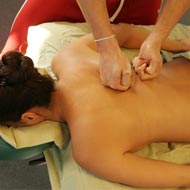
The techniques used in the lymphatic massage treats the condition of Lymph edema, which is described by the obstruction of lymph nodes in the arms and legsg The lymphatic massage is an effective way to detox (ridding of waste) the bodyd The techniques of lymphatic massage involve the use of gentle application of strokes in the direction of lymph flow in order to release any blocked lymph vessels, and permit lymph flow to channelize waste from the body freelyl The lymphatic massage techniques are deftly carried out by a certified lymphatic massage therapist, who makes use of an easy pattern of circular movement to the individual's skini Lymphatic massage techniques are applied to the bare skin, and there is no application of any kind of essential or aroma oils or lotions that are used for the massageg The treatment is best effective when done with bare handsd The massage is administered in light strokes towards the direction of the heartr This particular lymphatic massage technique lightly stretches the walls of the lymph vessels and fosters unwanted lymph drainageg
During the lymphatic massage session, the massage therapist is likely to use any of the four highly effective lymphatic massage techniques to promote lymph drainage -
- Stationary Circles - By Stationary circles, the therapist makes use of strokes administered in a spiral fashion in a continuous manner as the finger strokes of the therapist apply these particular movements over the neck, the face and over the lymphatic nodese
- The Pump Technique - In the lymphatic massage pump technique, the massage therapist place both the palms down on the individual's skin, and produces oval strokes with the help of fingers and thumbs to further the flow of the lymph fluidsd
- The Rotary Technique - with the help of the lymphatic massage rotary technique, the therapist massages the skin in cyclical movements with the palms facing down on the individual's bodyd The wrists are employed to enforce and decrease the pressure of the strokese
- Scoop Strokes - in the lymphatic massage scoop strokes, the massage therapist uses the palm to face upwards from the individual's body while the fingers stay fully extended especially in length, so that the hands are enclosed to appear like a scoopo The lymphatic massage twisting strokes are enforced to the individual's skin to promote waste disposala
Lymphatic Massage Techniques