- Orthopedic Massage Therapy
- Benefits of Orthopedic Massage
- Benefits of Magnetic Therapy
- Craniosacral Therapy
- Lomilomi Massage Therapy
- Thai Massage Therapy
- Therapeutic Massage
- Trigger Point Therapy
- Sports Massage Therapy
- Sports Massage Techniques
- Shiatsu Massage Therapy
- Shiatsu Foot Massage
- Shiatsu Facial Massage
- Shiatsu Back Massage
- Reflexology Therapy
- Reflexology Treatment
- Reflexology Foot Massage
- Amma Massage Therapy
- Baby Massage Therapy
- Benefits of Baby Massage
- Body Massage
- Benefits of Body Massage
- Deep Tissue Massage Therapy
- Pregnancy Massage Therapy
- Energy Healing Therapy
- Benefits of Energy Healing Therapy
- Myotherapy
- Benefits of Myotherapy
- Neuromuscular Massage Therapy
- Polarity Therapy
- Geriatric Massage Therapy
- Abdominal Massage
- Abdominal Massage Techniques
- Acupressure Massage
- Ayurvedic Massage
- Ayurvedic Head Massage
- Ayurvedic Face Massage
- Back Massage Techniques
- Benefits of Acupressure
- Benefits of Lymphatic Massage
- Common Forms of Hydrotherapy
- Esalen Massage
- Esalen massage technique
- Foot Massage
- Hand Massage
- Hand Reflexology
- Head Massage
- Holistic Massage
- Holistic Treatment
- Hydrotherapy
- Leg Massage
- Lymph Edema Treatment
- Lymphatic facial massage
- Lymphatic Massage
- Magnet Therapy
- Manual Lymph Drainage
- Neck Massage
- Pregnancy Massage
- Pregnancy Massage Benefits
- Acupressure Facial Massage
- Ayurvedic Foot Massage
- Ayurvedic Treatments
- Holistic Massage Therapy
- Holistic Therapeutic Massage
- Holistic Touch Massage
- Lymphatic Massage Techniques
- Ayurvedic Massage Techniques
- Ayurvedic Massage Therapy
- Foot Massage Equipment
- Frozen Shoulder Massage
- Hand Massage Techniques
- Scalp Massage Benefits
- Swedish Esalen Massage
- Aromatherapy Massage
- Acupressure Foot Massage
- Benefits of Aromatherapy
- Acupressure and Therapeutic Massage
- Aromatherapy Massage Oil
- Benefits of Zero Balancing Massage Therapy
- Benefits of Geriatric Massage
- Benefits of Lomi Lomi Massage Therapy
- Medical Massage Therapy
- Pregnancy Massage Techniques
- Touch Therapy Massage
- Shoulder Massage
- Scalp Massage
- Reflexology Massage
- Reiki Meditation
- Reiki Treatment
- Reflexology Massage Techniques
- Scalp Massage Techniques
- Ayurvedic Scalp Massage
- Scalp Massage Oil
- Leg Massage Equipments
- Shoulder Massage Techniques
- Benefits of Craniosacral Therapy
- Magnetic Treatment
- Benefits of Sports Massage Therapy
- Ashiatsu Massage
- Abhyanga Massage
- Advanced Therapeutic Massage
- Alternative Massage Therapy
- Back Massage Therapy
- Balinese Massage
- Balneotherapy
- Bowen Massage Therapy
- Bowen Therapy Technique
- Breath Therapy
- Champissage
- Colon Hydrotherapy
- Colon Hydrotherapy Benefits
- Connective Tissue Massage
- Craniosacral Therapy Techniques
- Cryotherapy
- Deep Muscle Massage
- Hakomi Therapy
- Kriya Massage
- La Stone Therapy
- Muscular Therapy
- Naprapathy
- Phytotherapy
- Relaxation massage
- Head and Scalp Massage
- Leg Massage Techniques
- Spinal Therapy
- Swedish massage Techniques
- Swedish massage Therapy
- Types of Massage Therapy
- Water Massage
- Acrosage
- Acu Yoga
- Acupuncture Therapy
- Gyrotonic Pilates
- Head Massage Techniques
- Neck Massage Benefits
- Neck Massage Techniques
- Oncology Massage Therapy
- Acupuncture Treatment
- Belavi Facelift Massage
- Benefits of Acupuncture
- Chiropractic Massage
- Chiropractic Treatment
- Hoshino Therapy
- Applied Kinesiology
- Attunement
- Chakra Healing
- Japanese Massage Therapy
- Push Therapy
- Restoration Therapy
- SHEN Therapy
- Somatic Movement Therapy
- Structural Energetic Therapy
- Thalassotherapy
- Vibrational Healing Massage Therapy
- Vortex Healing
- Watsu Massage
- Zen Body Therapy
- Zero Balancing Massage Therapy
- Breast Massage Therapy
- Chinese Massage
- Esoteric Healing
- Color Therapy
- Colorpuncture
- Integrative Manual Therapy
- Jamu Massage
- Massotherapy
- Movement Therapy
- Myomassology
- Myopathic Muscular Therapy
- Ohashiatsu
- Reflective Therapy
- Pranic Healing
- Restorative Massage
- Onsen Technique
- Unified Field Therapy
- Zen Shiatsu
- Russian Massage
- Trauma Touch Therapy
- Trigger Point Myotherapy
- Healing Hands Massage
- Body Massage Therapy
- Benefits of Sports Massage
- Shiatsu Massage Chair
- Hot Oil Massage
- Acupuncture for Fertility
- Cupping Massage
- Chocolate Massage
- Oriental Massage Therapy
- Mobile Massage
- Remedial Massage Therapy
- Bamboo Massage
- Geriatric Massage Training
- Tao Massage
- Massage Balls
- Massage Table
- Panchakarma
- Asian Massage Therapy
- Yoga Massage
- Choosing Right Massage Chair
- Raindrop Massage Therapy
- Massage Therapist Salary
- Rolfing Therapy
- Benefits of Massage Therapy
- Massage Therapy Techniques
- Massage Therapy Equipments
- Chair Massage
Myofascial Trigger Point Therapy
Myofascial trigger point therapy is a massage technique. It involves the pressure application at certain points that are highly sensitive and helps to relieve pain and discomfort. Myofascial theraphy helps in muscle release and tension.
It is yet another kind of massage. Trigger point therapy is linked to myofascial release. The main advantage of this therapy is the complete elimination of discomfort or pain and not the inflammation alone.
Related Articles
Related Blogs
Yoga Questions
Continued...
It is also referred to as trigger point therapy.
Trigger points are those areas that are tender and are seen on the muscles. Trigger points increases numbness, tingling sensation, sharp pain, muscle shortening and muscle tension. Trigger points are of two types, namely active points and latent points. Active trigger points divert the pain to other parts, on application of pressure, whereas latent trigger points display pain, on compression or pressure application. These trigger points are also referred to as muscle knots and are related to fibro myalgia and myofascial pain syndromes. They are often mistaken for acupuncture points. The latter are obstruction on the energy pathways of the body.
Trigger points are a physical phenomena, which is realised by the sense of touch. The pain associated with these trigger points results in loss of work efficiency and the causative factor for disability. Improper posture, birth trauma, over exertion and injury due to accident are some of the contributing factors for trigger points.
The trigger points are broken down and reabsorbed in the circulation. Removal of pain is the main idea behind neuromuscular trigger point therapy.
A qualified professional proves beneficial in provision of this massage. The therapist identifies the trigger points. These points are hard and noticeable by the therapist. These trigger points are capable of multiplication, by the increase in symptoms in more areas. If the upper back or the trapezius is the source of injury or pain, the associated pain is felt radiating through the arm, the shoulder and the neck. Ischemic compression, cold distraction and muscle stripping are some of the spray and stretch techniques that provide relief.
Myofascial Trigger Point Therapy benefits include the following:
- The muscles are accustomed to pain free habits
- It enhances circulation or flow of blood
- It improves coordination and flexibility
- It provides relief from tension
- It increases the range of motion of the muscles.
The main purpose of the neuromuscular trigger point therapy is to decrease the stiffness and swelling of the nerves and muscles.
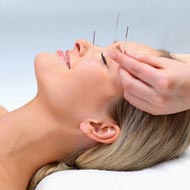
Myofascial Trigger Point Therapy