- Bergamot Essential Oil
- Black Pepper Essential Oil
- Cajeput Essential Oil
- Camomile Oil
- Cedarwood Essential Oil
- Citronella Essential Oil
- Clary Sage Essential Oil
- Coriander Oil
- Lavender Essential Oil
- Rose Oil
- Eucalyptus Oil
- Fennel Essential Oil
- Frankincense Essential Oil
- Geranium Oil
- Grapefruit Oil
- Essential Oil Jasmine
- Juniper Berry Oil
- Lavandin Oil
- Lavender Oil
- Lemon Oil
- Lemongrass Oil
- Mandarin Oil
- Melissa Oil (Officinalis)
- Cypress Oil
- Aroma Essential Oil
- Aromatherapy And Essential Oils
- Avocado Oil Benefits
- Oil Healing Properties
- Essential Lemon Oil Health Benefits
- Lemongrass Essential Oil Health Benefits
- Mandarin Essential Oil Health Benefits
- Marjoram Essential Oil Health Benefits
- Massage Body Oils Health Benefits
- Melissa Essential Oil Benefits
- Essential Myrrh Oil Health Benefits
- Natural Essential Oil Health Benefits And Uses
- Neroli Essential Oil
- Niaouli Essential Oil
- Essential Oils And Uses
- Organic Essential Oils
- Patchouli Essential Oil
- Peppermint Essential Oil
- Petitgrain Essential Oil
- Rosemary Essential Oil
- Sandalwood Essential Oil
- Sandalwood Massage Oil
- Sunflower (Black) Seed Oil
- Tangerine Oil
- Tea Tree Oil Uses
- Vetiver Oil
- All Natural Oil
- Olive Oil Products
- Almond Oil For Hair,Massage,Cooking And Aromatherapy
- Best Olive Oil In The World - Reviews
- Avocado Oil
- Aromatherapy Essential Oils And Blends
- Essential Oils Aromatherapy
- Catnip Essential Oil
- Spikenard Essential Oil
- Chocolate Essential Oil
- Carrot Seed Essential Oil
- Tuberose Essential oil
- Manuka Essential Oil
- Yarrow Essential Oil
- Galbanum Essential Oil
- Linden Blossom Essential Oil
- Oregano Essential Oil
- Ravensara Essential oil
- Ylang Ylang Essential Oil
- Wintergreen Oil
- Helichrysum Oil
- Clove Oil
- Spearmint Essential Oil
- Pine Essential Oil
- Lime Essential Oil
- Lemon Verbena Essential Oil
- How Different Are Mint Oil And Peppermint Oil?
- Vegetable Oils
Health Benefits of Thyme Essential Oil
The thyme plant is in fact an herb that is native to the Mediterranean region. Found mainly in Spain and Italy, thyme is now also grown in Turkey, Israel, and Russia. This evergreen shrub gets its name for the Greek word 'thymos,' which translates into 'perfume'.
It is indeed a potent herb with a peppery taste that produces non-viscous thyme oil once extracted. Thyme oil is extracted by steam distillation from the leaves and the semi-dried flowers.
Related Articles

Related Blogs
Related Topics
Yoga Questions
Continued...
.of the thyme plantn Thyme essential oil can be found into two varietiese There is the sweet thyme oil, which is pale yellow in color with a sweet smell and the red thyme essential oil, which is spicier in smell and is amber in coloro The presence of thymol in thyme essential oil can be between 20 to 50% making it a very strong oili This in turn means that thyme oil can be too potent to be used undiluted and needs to be blended with a milder carrier oil before using it for any forms of aromatherapyp Anyone using thyme oil for the first time should always do a patch test to check for any adverse reactionsn Pregnant women should avoid this oil at all costs as should people suffering from epilepsy and hyperthyroidisms
Thyme Oil Uses
Thyme oil has several therapeutic propertiese Sweet thyme is by nature extremely antiseptic and anti-inflammatoryr Therefore sweet thyme essential oil is used to treat viral infections, eczema, bronchitis, psoriasis and insomniai It is also less toxic than red thyme oil and is more suited for treating older people and childrene Red thyme oil on the other hand is a mental stimulantn It is also anti-bacterial, antiseptic and anti-fungala Red thyme oil uses include treatments for stress, wounds, rheumatism, sciatica, and depressiono However, there are a number of cautionary measures to be taken when using red thyme oili Its higher percentage of phenols means that care needs to be taken when used on the skin as it can lead to skin irritationsn
People suffering from high blood pressure should also avoid using red thyme oili Thyme oil is also used to boost the immune system and prevent colds and fevere Thyme oil for hair growth has been seen with good resultst This can in fact be traced back to the Egyptians who used thyme oil for their hairi Regular hair massages with thyme oil can improve hair quality giving it shine and bounce along with improving its growtht You can mix thyme oil with lavender, rosemary, jojoba essential oils and massage into your scalp to prevent hair loss as welll Thyme oil disinfectant is another popular use of this essential oili Thyme has been used from time immemorial for cleaning purposese It is in fact said that thyme is a stronger disinfectant than most household cleaners available todaya Cleaning your utensils and cutting boards with thyme oil has also been proven to reduce instances of salmonella and food poisoningn The thymol is thyme oil is not only highly toxic but also a strong antiseptici This makes thyme oil nail fungus treatment especially effectivev If you suffer from toenail fungus, blend thyme oil with a mild carrier oil like flaxseed or sesame oil and apply it to the infected area twice a day to lessen any irritationo
Thyme as an herb is also used in cooking as it adds a delicious smoky flavor to meats and vegetablese A good way to preserve fresh thyme is by following a simple thyme oil recipep Infusing oil with fresh thyme herbs and letting it steep before using it in your cooking is an easy way to make thyme oili
p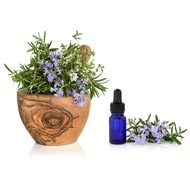
Thyme Essential Oil