- Bergamot Essential Oil
- Black Pepper Essential Oil
- Cajeput Essential Oil
- Camomile Oil
- Cedarwood Essential Oil
- Citronella Essential Oil
- Clary Sage Essential Oil
- Coriander Oil
- Lavender Essential Oil
- Rose Oil
- Eucalyptus Oil
- Fennel Essential Oil
- Frankincense Essential Oil
- Geranium Oil
- Grapefruit Oil
- Essential Oil Jasmine
- Juniper Berry Oil
- Lavandin Oil
- Lavender Oil
- Lemon Oil
- Lemongrass Oil
- Mandarin Oil
- Cypress Oil
- Aroma Essential Oil
- Aromatherapy And Essential Oils
- Avocado Oil Benefits
- Oil Healing Properties
- Essential Lemon Oil Health Benefits
- Lemongrass Essential Oil Health Benefits
- Mandarin Essential Oil Health Benefits
- Marjoram Essential Oil Health Benefits
- Massage Body Oils Health Benefits
- Melissa Essential Oil Benefits
- Essential Myrrh Oil Health Benefits
- Natural Essential Oil Health Benefits And Uses
- Neroli Essential Oil
- Niaouli Essential Oil
- Essential Oils And Uses
- Organic Essential Oils
- Patchouli Essential Oil
- Peppermint Essential Oil
- Petitgrain Essential Oil
- Rosemary Essential Oil
- Sandalwood Essential Oil
- Sandalwood Massage Oil
- Sunflower (Black) Seed Oil
- Tangerine Oil
- Tea Tree Oil Uses
- Thyme Essential Oil
- Vetiver Oil
- All Natural Oil
- Olive Oil Products
- Almond Oil For Hair,Massage,Cooking And Aromatherapy
- Best Olive Oil In The World - Reviews
- Avocado Oil
- Aromatherapy Essential Oils And Blends
- Essential Oils Aromatherapy
- Catnip Essential Oil
- Spikenard Essential Oil
- Chocolate Essential Oil
- Carrot Seed Essential Oil
- Tuberose Essential oil
- Manuka Essential Oil
- Yarrow Essential Oil
- Galbanum Essential Oil
- Linden Blossom Essential Oil
- Oregano Essential Oil
- Ravensara Essential oil
- Ylang Ylang Essential Oil
- Wintergreen Oil
- Helichrysum Oil
- Clove Oil
- Spearmint Essential Oil
- Pine Essential Oil
- Lime Essential Oil
- Lemon Verbena Essential Oil
- How Different Are Mint Oil And Peppermint Oil?
- Vegetable Oils
How is Melissa Officinalis Beneficial?
Melissa officinalis or lemon balm belongs to the mint family. It is a perennial herb found originally in Southern Europe but now cultivated all over the world. Its leaves have a soothing citrusy fragrance that is quite similar to lemongrass or lemon.
The name Melissa Officinalis comes from the Greek word meaning bee-leaf. This is because the nectar of white flowers of the plant is like manna to bees, which feed on it. Melissa officinalis is in full bloom.
Related Articles
Related Blogs
Related Topics
Yoga Questions
Continued...
.in spring but apart from its beauty is also known to treat a variety of illnesses and disordersr Traditional medicine regards the Melissa officinalis plant as a treasure trove of restorative and healing propertiese It seems almost a 'go-to' plant for any kind of conditiono From insomnia to stomach problems, poor concentration to venomous bites, there was nothing that could not be treated with Melissa officinalis oili The plant is full of active compounds that make it an effective cure for so many ailmentst For example, Terpenes, one of the constituents of Melissa Officinalis is the reason behind the herb's calming and carminative propertiese Other flavonoids and phenolic acids present in Melissa officinalis essential oil contribute to its positive effects on herpes and thyroid problemsm Melissa aromatherapy uses the oil in various ways and strengths to tackle a number of physical and mental health issues till todaya
Melissa officinalis Uses
Melissa officinalis when combined with valerian is a safe and effective treatment for children who are restless or suffer from insomniai It could also increase their appetitet Applying Melissa officinalis cream on cold sores can reduce swelling and redness thanks to the presence of active tannins in this essential oil along with its anti-viral and anti-bacterial propertiese
Genital herpes can also be treated with Melissa officinalisi When blended with fennel, dandelion or StS John's wort, Melissa officinalis oil alleviates the symptoms of colitis, heartburn, inflammation of the colon and Gastroesophageal Reflux Diseases Reports also indicate that the excessive thyroid production in Grave's Disease can be blocked with Melissa officinalis oili
As with any other essential aroma oil and herbal treatment, the use of Melissa officinalis essential oil should be carried out only under strict supervisiono While the herbal oil is generally safe for use, there might be some Melissa officinalis side effects that only your therapist could warn you aboutu The relaxing quality of melissa officinalis could result in excessive drowsiness and lethargy in the persono In case this occurs or even worsens, you should contact your doctor immediately to avoid further side effectst
When using Melissa essential oil, you need to limit your intake of alcohol and sugar as this can aggravate the sedative power of the herbr If you are pregnant, have diabetes or liver disease due to alcoholism; it is recommended that you avoid this essential oili Check with your doctor if you are breast-feeding and using Melissa officinalis in any form, as this may not be safe for your babyb Before starting off with any treatment involving Melissa officinalis oil, you will need to inform your doctor or therapist about your medical history and drug usage (prescription or non-prescription)n In case you are on any type of sedatives, pain killers, Antihistamines, cough medicines, sleeping pills or anti-anxiety drugs, ask your pharmacist or doctor if it is safe to combine Melissa officinalis oil with any of the abovev Thyroid medications are also rendered ineffective when you use Melissa officinalis oili
Lemon Balm Benefits
Lemon balm or as Melissa officinalis is also known as is considered an anxiety-reducing herbr Lemon balm benefits include healing wounds, reducing pain and calming the mindn Even before the Middle Ages, lemon balm was used to improve sleep and appetite and treat insect bites and stingsg Today, when combined with other essential oils, lemon balm oil uses are far reachingn Studies show that lemon balm oil when blended with oils such as camomile or valerian can work as an excellent sedative and reduce insomniai
How To Use Lemon Balm
Some of the ways on how to use lemon balm are either whole as a dried leaf or as an aromatherapy essential oili Dried lemon balm leaves can be used as an ingredient in pills, tinctures, oils, extracts, lotions and teasa Ointments and topical creams may also contain lemon balml
If you opt for lemon balm capsules, dosage is normally around three 500mg capsules dailyl To prepare a lemon balm tea you could steep a cup of hot water with 1 teaspoon of dried lemon balm leavese Tinctures and topical creams need to be applied to the affected areas at least thrice dailyl Needless to say, all this should be under the strict direction of your doctor or therapists While natural herbal treatments are ancient traditions, using any herb or essential oil without the supervision of a trained practitioner could trigger off a host of other side effectst
p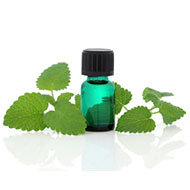
Melissa Oil (Officinalis)