- Bergamot Essential Oil
- Black Pepper Essential Oil
- Cajeput Essential Oil
- Camomile Oil
- Cedarwood Essential Oil
- Citronella Essential Oil
- Clary Sage Essential Oil
- Coriander Oil
- Lavender Essential Oil
- Rose Oil
- Eucalyptus Oil
- Fennel Essential Oil
- Frankincense Essential Oil
- Geranium Oil
- Grapefruit Oil
- Essential Oil Jasmine
- Lavandin Oil
- Lavender Oil
- Lemon Oil
- Lemongrass Oil
- Mandarin Oil
- Melissa Oil (Officinalis)
- Cypress Oil
- Aroma Essential Oil
- Aromatherapy And Essential Oils
- Avocado Oil Benefits
- Oil Healing Properties
- Essential Lemon Oil Health Benefits
- Lemongrass Essential Oil Health Benefits
- Mandarin Essential Oil Health Benefits
- Marjoram Essential Oil Health Benefits
- Massage Body Oils Health Benefits
- Melissa Essential Oil Benefits
- Essential Myrrh Oil Health Benefits
- Natural Essential Oil Health Benefits And Uses
- Neroli Essential Oil
- Niaouli Essential Oil
- Essential Oils And Uses
- Organic Essential Oils
- Patchouli Essential Oil
- Peppermint Essential Oil
- Petitgrain Essential Oil
- Rosemary Essential Oil
- Sandalwood Essential Oil
- Sandalwood Massage Oil
- Sunflower (Black) Seed Oil
- Tangerine Oil
- Tea Tree Oil Uses
- Thyme Essential Oil
- Vetiver Oil
- All Natural Oil
- Olive Oil Products
- Almond Oil For Hair,Massage,Cooking And Aromatherapy
- Best Olive Oil In The World - Reviews
- Avocado Oil
- Aromatherapy Essential Oils And Blends
- Essential Oils Aromatherapy
- Catnip Essential Oil
- Spikenard Essential Oil
- Chocolate Essential Oil
- Carrot Seed Essential Oil
- Tuberose Essential oil
- Manuka Essential Oil
- Yarrow Essential Oil
- Galbanum Essential Oil
- Linden Blossom Essential Oil
- Oregano Essential Oil
- Ravensara Essential oil
- Ylang Ylang Essential Oil
- Wintergreen Oil
- Helichrysum Oil
- Clove Oil
- Spearmint Essential Oil
- Pine Essential Oil
- Lime Essential Oil
- Lemon Verbena Essential Oil
- How Different Are Mint Oil And Peppermint Oil?
- Vegetable Oils
Juniper Berry Oil
Juniper berry essential oil is derived from the berries of the Juniperus communis. This evergreen tree is about 5-16 feet tall and has bluish green stiff needle like leaves, small flowers and berries. The ripened berry is the source of juniper berry essential oil.
This plant originated in Northern Europe but can now be found in Canada, Italy, Hungary and France. This Juniper berry essential oil is extracted through steam distillation.
Related Articles

Related Blogs
Related Topics
Yoga Questions
Continued...
Some of the oil is made from using the needles and the wood. However the quality of this oil is not as good as the oil that is extracted from the berries. The oil produced from the berries has superior therapeutic properties. Juniper berry essential oil contains three main constituents which are: terpineol, pinene and terpinen. It is these three main constituents that make juniper berry essential oil useful in treating skin infections among other things. Juniper berry essential oil has a mild to medium aroma which can be described as woody, sweet or earthy with a kind of fruity note as well. History shows that the oils produced by the Juniper plant have been treating people for several years. The ancient Egyptians used it to cure headaches, as well as to relieve the symptoms of asthma.
Juniper berry aromatherapy is fast becoming a popular way of treating ailments such as pyelitis, cystitis and urinary stones. When inhaled, juniper berry essential oil works both on the mind and the body. The therapeutic properties of juniper berry essential oil (such as antitoxic, diuretic, antiseptic, astringent, calmative and so on) make it an ideal choice for aromatherapy. Juniper berry aromatherapy helps to deal with many health issues such as gout, arthritis, toxin build up and so on. Aromatherapy using juniper berry essential oil can also help to treat aliments such as muscle aches and pains, acne, rheumatism and oily skin. Juniper berry oil is considered the best oil for aromatherapy as the chemicals present in the oils help to flush out free radicals that are in the blood stream and enter the cells in the organs.
Juniper Berry Oil Benefits
The myriad benefits of using juniper berry oil are well known and have been advocated for many years. Juniper berry oil benefits include
- The use of it as a laxative, using it to assist in childbirth, to treat menstrual problems.
- It has also been used as remedy for cholera, typhoid fever, gonorrhea, heart problem and as mentioned earlier, arthritis.
- Juniper berry essential oil is also known to help with certain skin problems. These skin problems include hair loss, acne, oily skin, blocked pores and wounds.
- Helps with digestive problems such as colitis, stomach upsets, and intestinal fermentations and so on.
- Juniper berry essential oil can also help deal with the problem of cellulite.
- The stimulating effect of this oil helps to form the connective tissues of the skin and the result is that the skin gets even tighter. This does not allow dimpled spots to appear.
- Hemorrhoids are another annoying problem that juniper berry oil can help with. Mix one drop of Roman chamomile oil and one drop of Juniper berry oil and add this to a warm sitz bath. Soak in this bath for about five minutes so that the healing properties of the oil can take effect. Do not sit in this bath for longer than 20 minutes as the effectiveness of this remedy is then lessened.
Juniper berry oil can also be used as a compress in the treatment of skin problems such as acne, psoriasis and eczema.
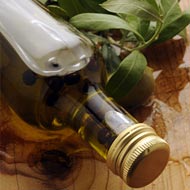
Juniper Berry Oil