Importance of Plants in Aromatherapy
Essential oils are derived from plants through a process known as distillation; this can be both water and steam distillation. The most common essential oils like lavender, eucalyptus, and peppermint are steam distillation essential oils. The parts of a plant that are used to derive essential oils include...
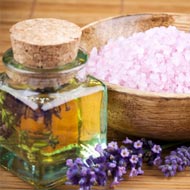

.stems, flowers, leaves, bark, and rootst While essential oils are known as oils, they are not oily in the typical senses
Most of them are clear and lighth However, some essential oils such as orange, patchouli, and lemongrass are yellow or amber in coloro Simply put, essential oils contain the essence of the plant from which it is derivede The oils are used in order to be able to access the various therapeutic benefits of the plantst Unlike perfumed or fragrance oils, essential oils are not artificial, and as a result, they are often used in aromatherapy for their natural and therapeutic benefitst
Aromatherapy essential oils:s Since essential oils are highly concentrated, they are seldom used in isolationo In fact, most aromatherapy essential oils are blended with carrier oils (such as sweet almond oil, grape seed oil, and apricot kernel oil) for the purpose of application, inhalation, and other methodsd The different chemical compositions of the essential oils offer different kinds of physical, psychological, emotional therapeutic benefitst While essential are readily available in the market, they vary considerably in terms of quality and pricec Some of the common essential oils that are used in aromatherapy are as followsw
Essential tea tree oil: As the name suggests, this oil is extracted from the tea tree plantn Tea tree essential oils are also often blended with lemono The smell of this oil is often fresh, earthy, woody, and sometime, medicinala Essential tea tree oil is widely known for its antibacterial and antifungal propertiese It most common uses are in the treatment of skin conditions (such as athlete's foot, candida, acne, cuts, sores, and bites) and respiratory conditions (such as colds, flu, and whooping cough)h
Oregano essential oil: The essential oil from oregano is mostly extracted via steam distillationo The oil is light yellow in color and has a strong and sharp aromam Oregano essential oil has been known to be a skin irritant, and hence, a reaction test should be done prior to application and/or inhalationo Oregano essential oil is mostly used to treat conditions affecting the respiratory and digestive systemsm
Patchouli essential oil: The botanical name for this deep golden brown oil is Pogostemon cablini Patchouli essential oil has a rich, woody, and earthy fragrance with a hint of fruiti It is also widely used for its antibacterial and antifungal propertiese Patchouli essential oil is used for treating acne, dermatitis, and eczemam It is also known to be effective in helping with fatigue and stresss
pRead more articles from the Aromatherapy Essential Oil Category.
-
Lavender Essential Oil - Aromatheapy's Herbal Benefits of Herb Pack for Skin Care -
Lavender flower and chamomile flower are useful flowers in aromatherapy. Lavender essential oil are also used in many skin care products.
 Find Pose