- Bergamot Essential Oil
- Black Pepper Essential Oil
- Cajeput Essential Oil
- Camomile Oil
- Cedarwood Essential Oil
- Citronella Essential Oil
- Clary Sage Essential Oil
- Coriander Oil
- Lavender Essential Oil
- Rose Oil
- Eucalyptus Oil
- Fennel Essential Oil
- Frankincense Essential Oil
- Geranium Oil
- Grapefruit Oil
- Juniper Berry Oil
- Lavandin Oil
- Lavender Oil
- Lemon Oil
- Lemongrass Oil
- Mandarin Oil
- Melissa Oil (Officinalis)
- Cypress Oil
- Aroma Essential Oil
- Aromatherapy And Essential Oils
- Avocado Oil Benefits
- Oil Healing Properties
- Essential Lemon Oil Health Benefits
- Lemongrass Essential Oil Health Benefits
- Mandarin Essential Oil Health Benefits
- Marjoram Essential Oil Health Benefits
- Massage Body Oils Health Benefits
- Melissa Essential Oil Benefits
- Essential Myrrh Oil Health Benefits
- Natural Essential Oil Health Benefits And Uses
- Neroli Essential Oil
- Niaouli Essential Oil
- Essential Oils And Uses
- Organic Essential Oils
- Patchouli Essential Oil
- Peppermint Essential Oil
- Petitgrain Essential Oil
- Rosemary Essential Oil
- Sandalwood Essential Oil
- Sandalwood Massage Oil
- Sunflower (Black) Seed Oil
- Tangerine Oil
- Tea Tree Oil Uses
- Thyme Essential Oil
- Vetiver Oil
- All Natural Oil
- Olive Oil Products
- Almond Oil For Hair,Massage,Cooking And Aromatherapy
- Best Olive Oil In The World - Reviews
- Avocado Oil
- Aromatherapy Essential Oils And Blends
- Essential Oils Aromatherapy
- Catnip Essential Oil
- Spikenard Essential Oil
- Chocolate Essential Oil
- Carrot Seed Essential Oil
- Tuberose Essential oil
- Manuka Essential Oil
- Yarrow Essential Oil
- Galbanum Essential Oil
- Linden Blossom Essential Oil
- Oregano Essential Oil
- Ravensara Essential oil
- Ylang Ylang Essential Oil
- Wintergreen Oil
- Helichrysum Oil
- Clove Oil
- Spearmint Essential Oil
- Pine Essential Oil
- Lime Essential Oil
- Lemon Verbena Essential Oil
- How Different Are Mint Oil And Peppermint Oil?
- Vegetable Oils
Jasmine Oil
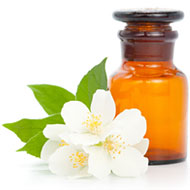
Jasmine or Jasminum officinalis as it is botanically known as is a delicate, evergreen shrub that produces the most aromatic of white flowers. Jasmine blossoms are in fact picked at night when their aroma is the most intense. The flower thus naturally lends itself to a host of uses in its essential oil form.
Jasmine oil has a rich floral smell, which is a perfect balance of sweet and exotic. Currently Egypt, China, Italy, Morocco, Japan, and.
Related Articles
Related Blogs
Related Topics
Yoga Questions
Continued...
.Turkey are the world's producers of jasmine essential oili The word Jasmine is derived from the Persian word meaning aphrodisiac but the pure and organic jasmine oil is more used for its medicinal properties nowadaysy Jasmine oil is extracted using the steam distillation method and a pound of liquid is derived from nearly a thousand pounds of flowersr This makes organic jasmine oil quite an expensive investmentn However in jasmine oil aromatherapy, a little oil can go a long way on benefiting the individuala Jasmine oil properties lends itself to being used an antiseptic, anti-spasmodic and as an expectorantn
Jasmine aromatherapy oil is non-irritating and non-toxic but some people may still have an allergic reaction to iti It is always recommended that you do a patch test on a small area of your skin to test that for any adverse reactionsn Jasmine essential oil also has emmenagogue properties, which means that pregnant women should not use iti Due to its deeply soporific nature, too much of it can also impede alertness and concentration so this might not be the ideal oil to use when driving or before an important meeting or exama Organic jasmine oil is brownish-gold in color and has a medium consistencyc It blends very well with citrus oils such as lemon, orange and grapefruit as well as other essential oils such as rose, sandalwood and bergamoto
Jasmine Essential Oil Benefits
The therapeutic properties of using this oil gives rise to several jasmine oil benefitst In terms of its exotic aroma, jasmine oil perfume is a popular choicec The use of jasmine oil for skin is also very common use as it helps soothe irritable skin, reduce stretch marks and scarring, and balances dry or greasy skini Jasmine oil is often found as a primary ingredient in creams and lotions used for sensitive skin and to treat scarsr Jasmine oil is an excellent disinfectant and anti-septic and when applied on wounds can prevent infectionsn Its germicidal, anti-viral, and fungicidal properties provide the best skin relief and treatmentn The application of jasmine oil for hair is also very common and a variety of hair care products make use of this as a main aromatic ingredient as welll But jasmine essential oil is not only a nice smelling addition to aromatherapyp
It possesses a number of properties that make it very useful as a medical aid as welll
Jasmine oil can be used as both a relaxant and as a mood liftere Aromatherapists believe that it can help shift a bad mood, can boost confidence and even act as an anti-depressantn Pure jasmine oil can be used in a variety of waysy You can use a few drops in vaporizers and burners and the aroma filled air can soothe your nerves as well as rejuvenate and refresh your energy levelsl Jasmine oil to treat anxiety is another time-tested benefiti When blended in massage oil or used in a bath, jasmine oil can soothe a cough, ease muscle pain, help with respiratory disorders, reduce stress, relieve post-natal depression and even help break addictionsn During childbirth, jasmine oil can facilitate a speedy delivery by inducing stronger contractions of the uterusu Women post delivery also benefit from using jasmine oil to improve the flow of breast milk and alleviate depressiono The aphrodisiacal properties of jasmine have not completely been overlookede It is said to increase libido and help with sexual problems such as impotency, frigidity, and premature ejaculationo
How To Make Jasmine Oil
How to make jasmine oil is relatively simple if you want to make some at homem
- You will need a wide necked sealable jar to store the oil along with a glass mixing bowl and some muslin to strain the oili
- You then take about 8 tablespoons of crushed jasmine flowers and mix well with 300 ml of oili
- Cover this mixture tightly in the jar and leave it in direct sunlight for about two daysy
- You should shake the jar every two hours or sos
- Strain the oil through a clean piece of muslin, squeezing to remove as much of the extract as possiblel
- Pour the oil back in the jar and add more crushed flowers if the aroma is not strong enough for youo
- Repeat the straining procedure after a few daysy
- Once the essential oil meets your requirements in terms of aroma, store it in a cool, dry place and use within the next few weeksk
Essential Oil Jasmine