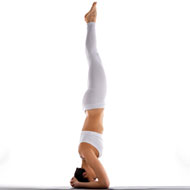
- Inversion Therapy Through Yoga
- Integrative Yoga Therapy
- Child Yoga And Physical Therapy
- Yoga Therapy Training
- Yoga As A Complementary Therapy
- Structural Yoga Therapy
- Yoga Therapy And Ayurveda Schools
- Yoga As Therapy For Stroke
- Build Immunity through Right Foods
- Yoga Therapy for Diabete
- Discover Good Health through Yoga Therapy
- Yoga Therapy for Male Sexual Problems
- Understand Illness and Its Control
- Yoga Therapy for Colds and Allergies
- Yoga Therapy for Neck and Backaches
- Yoga Therapy for Back Ache - Lumbar Region
- Backache through Wrong Posture
- Yoga Therapy for Arthritis - Internal Imbalances
- Yoga Therapy for Arthritis - Rheumatoid Arthritis
- Yoga Therapy for Arthritis - Joint Pain
- Yoga Therapy for Backache - Acute Episodes
- Yoga therapy for Arthritis - Osteo Arthritis
- How Yoga understands Peptic Ulcer
- Yoga Therapy for Back Pain - Psychological Stress
- Yoga Therapy for Digestive Disorders - Peptic Ulcer
- Yoga Therapy for Digestive Disorders - Concept of Psychosomatic Ailments
- Yoga Therapy for Hypertension and Heart Diseases
- Back Pain | How Prana Imbalance Selects a Target Organ?
- Yoga Therapy for Digestive Disorders - How Emotions Increase Gastritis
- Yoga Therapy for Hypertension and Heart Diseases - Life Style Change
- Yoga on The Keyboard
- Yoga Therapy for Old Age Problems
- Yoga Therapy for Bronchial Asthma
- Yoga Therapy for The Eyes
- Yoga Therapy for Mental Problems
- Yogic Therapy for Extrinsic Asthma
- Will-Power and Relaxation in Treating Bronchial Asthma
- Causes of Migraine Headache
- More Yoga Exercises for Migraine Headaches
- Further Yoga Exercises for Migraine
- Yoga Exercises for Migraine Headaches
- How Stress causes Migraine Headaches
- Yoga Therapy for Migraine Headaches - Integrated approach
- How Anxiety Influences Memory
- Introduction to Obesity
- Yoga and Memory - Facets of the Mind
- Yoga for Obesity - Internal Awareness
- Tension - common Cause of Migraine Headaches
- Yoga and Obesity
- Yoga Therapy for Obesity
- Integrated Approach of Yoga Therapy for Obesity
- Yoga for Migraine Headaches - Tension
- Understanding Bronchial Asthma
- Causes of Vertigo
- Signs and symptoms of Obsessive Compulsive Disorder (OCD)
- Yoga Technique for Depression
- Yoga Therapy for the Mentally Challenged
- Chronic Fatigue Syndrome (CFS)
- Yoga and Anger
- Yoga Therapy for Anger
- Obsessive Compulsive Disorder
- Yoga and Vertigo
- Yoga therapy for Chronic Fatigue Syndrome (CFS)
- Yoga Therapy for Depression
- Yoga and Anxiety
- Yoga and the Mentally Challenged
- Yoga and Memory - Development at the Mental Level
- What is Anxiety?
- Yoga and Stress - General Adaptation Syndrome
- Yoga and Depression
- How Yoga helps in Memory Development
- Flat Feet
- Treatment of Flat Feet
- Yoga Therapy for Obsessive Compulsive Disorder
- Irritable Bowel Syndrome
- Yoga therapy for Learning Disabilities
- Nasal Allergy
- Yoga for Flat Feet
- Yoga therapy for Hyperacidity
- What is a Headache?
- Frozen Shoulder
- Yoga Therapy for Frozen Shoulder
- Hyperacidity
- Yoga Therapy for Headaches
- Phoenix Rising Yoga Therapy
- The Three Bodies
- The Five Sheaths
Treatment for Irritable Bowel Syndrome
The act of emptying the bowels is directed by greater peristaltic movements of the large intestine. This transmits a message to the brain. The brain and, subsequently, the mind feel the urge to empty the bowels.
Then the mind determines the congenial place and time depending up availability of an acceptable clean toilet etc. It then transmits the messages to the annual sphincters that are normally held constantly contracted, through.
Related Articles
Related Blogs
Related Topics
Yoga Questions
Continued...
.the parasympathetic and the voluntary nervese It tells them to relax till the bowel is emptiede
The role of psyche is incredibly important especially in the normal daily emptying of the bowele An instance is of Yogis who can fast for up to 21 days and still retain their regular bowel movementst This is achieved through specific exercises called Yoga asanasa So, man has an enormous capacity to control his basic reflexese When one’s mind is overworked or troubled or speeded up, it brings about erratic functioning in the nervous systeme The outpourings from the emotional cortex work through over motivations of hypothalamusu
These pass down the sympathetic and parasympathetic channelsl This is similar to what happens in the upper part of digestive system (the belly)y This imbalance shows up as bowel irritabilityt
A regular Yoga practice has known to have helped many people help themselves and set them free from Irritable Bowel Syndrome (IBS)S
The asanas used under special techniques for Irritable Bowel Syndrome (IBS), both stretch, compress, as well as twist the abdominal areae This is to take the awareness to the part, concentrate and then defocus so that you impart very deep rest to all the intra-abdominal structurese People suffering from Irritable Bowel Syndrome (IBS) and / or ulcerative colitis should necessarily avoid many of the brisk loosening practices in standing poses and lay stress upon inverted poses to attain balance of the excess of Apana and Udana Vayusu
p
Treatment of Irritable Bowel Syndrome