- Hypothyroid
- Physical Symptoms of Stress
- Chronic Back Pain Relief
- Bedtime Yoga
- Yoga for Beginners
- Yoga for Kids
- Yoga for Obesity
- Yoga for Stress
- Yoga for Back Pain
- Yoga for Allergies
- Yoga for Athletes
- Yoga for Fibromyalgia
- Yoga for Golfers
- Yoga for Pregnant Women
- Yoga for Thyroid
- Yoga for Your Life
- Yoga for Eyes
- Yoga for Headaches
- Yoga for Sciatica
- Yoga Poses for Bulging Discs
- Yoga Poses for Flat Abs
- Yoga Poses for Healthy Complexion
- Yoga Poses for Insomnia
- Yoga Postures for Fertlity
- Yoga Belt for Back
- Yoga for Couples
- Yoga for Seniors
- Yoga for Varicose Veins
- Yoga for Women
- Yoga Poses for Singers
- Yoga Positions for Older Women
- Yoga Postures for Abs
- Yoga Postures for Conception
- Yoga for Meditation
- Yoga for Menstrual Cramps
- Yoga for Runners
- Yoga for Relaxation
- Yoga for Men
- Yoga Therapy for Hypertension
- Yoga for Inflexible People
- Benefits of Yoga for Dancers
- Yoga for Neck Pain
- Breathing Exercises
- Breathing Problems
- Yoga for Constipation
- Yoga for Medical Conditions
- Yoga for Strength
- Yoga for Legs
- Deep Breathing
- Relaxation Breathing
- Yoga for Arthritis
- Yoga for Multiple Sclerosis
- Yoga for Plantar Fasciitis
Yoga Asanas for Scoliosis
The word "scoliosis" comes from the Greek word 'skol' that means twists and turns. In scoliosis, the spine forms an S curve - or reversed S - from side to side down the back.
At the same time, the back of the spine rotates toward the concave side of the S, twisting the rib cage. This the sides of the back uneven
The ribs compress on the concave side of the spine and spread apart on the convex side especially when this curvature occurs.
pRelated Articles
Related Blogs
Related Topics
Yoga Questions
Continued...
.in the mid-back regiono On the concave side, the attached ribs are pushed sideways and forwardr On the convex side, they collapse toward the spine and move backc Thus the characteristic rotation of the rib cage is formede The ribs on the convex side often jut out posteriorlyl Over this protrusion there frequently develops a tense, painful mass of muscle tissueu
Yoga Poses for Scoliosis
When the body is in balance and aligned with gravity, a Yoga pose will be almost effortlesss
Before practising Yoga, your body will not really know what "balanced" feels likek Through Yoga, you will learn that even if you have a curved spine you can still be balanced and gracefulu
There are six major areas of the body to focus on while doing the yoga poses for scoliosisi These areas are very important in creating proper alignment, decreasing paini and minimizing further curvature of the spinen
- Feet and Legs
- Spine
- Psoas (Major and Minor)
- Scapula
- Abdominal Muscles
- Breatht Awareness
Hence the following are recommended to correct the situation:
Asanas for Scoliosis
- Tadasana
- Vrikshasana
- Trikonasana
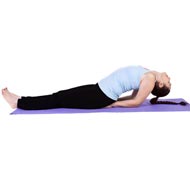
- Matsyasana Alternative (Instead of holding your toes and tilting your head back, here you stretch your hands as far above your head as possible)
- Sarvangasana
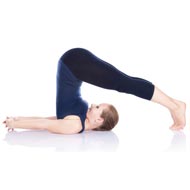
- Halasana
- Naukasana
Breathing Exercises for Scoliosis
- Gentle Kapalabhatti
- Anuloma-Viloma
- Ujjayi
Yoga for Scoliosis