- Hypothyroid
- Physical Symptoms of Stress
- Chronic Back Pain Relief
- Bedtime Yoga
- Yoga for Beginners
- Yoga for Kids
- Yoga for Obesity
- Yoga for Stress
- Yoga for Back Pain
- Yoga for Allergies
- Yoga for Athletes
- Yoga for Fibromyalgia
- Yoga for Golfers
- Yoga for Pregnant Women
- Yoga for Thyroid
- Yoga for Your Life
- Yoga for Eyes
- Yoga for Headaches
- Yoga for Sciatica
- Yoga Poses for Bulging Discs
- Yoga Poses for Flat Abs
- Yoga Poses for Healthy Complexion
- Yoga Poses for Insomnia
- Yoga Postures for Fertlity
- Yoga Belt for Back
- Yoga for Couples
- Yoga for Seniors
- Yoga for Varicose Veins
- Yoga for Women
- Yoga Poses for Singers
- Yoga Positions for Older Women
- Yoga Postures for Abs
- Yoga Postures for Conception
- Yoga for Meditation
- Yoga for Menstrual Cramps
- Yoga for Runners
- Yoga for Relaxation
- Yoga for Men
- Yoga Therapy for Hypertension
- Yoga for Scoliosis
- Yoga for Inflexible People
- Benefits of Yoga for Dancers
- Yoga for Neck Pain
- Breathing Exercises
- Breathing Problems
- Yoga for Constipation
- Yoga for Medical Conditions
- Yoga for Strength
- Yoga for Legs
- Deep Breathing
- Relaxation Breathing
- Yoga for Arthritis
- Yoga for Multiple Sclerosis
Yoga for Plantar Fasciitis
Plantar fasciitis is a condition that shows up as pain in the sole of the foot. The pain is actually the result of inflammation of the plantar fascia. This is a strong band of connective tissue that connects the distal aspect of the heel bone to the base of the toes.
It is said that tightness in the calf muscles is also a contributory cause of plantar fasciitis. Plantar fasciitis – like other foot ailments – can also be caused by weakness of the.
Related Articles
Related Blogs
Related Topics
Yoga Questions
Continued...
.intrinsic foot musclese Likewise, a sedentary life contributes to further muscle weakness, and atrophyh
Hence, stretching these muscles is a very important part of the treatmentn Even if our calf muscles were not so tight, and our plantar fasciitis has another different cause, the forced inactivity will make them – as well as all your other muscles – tighth
Yoga foot exercises are known to help to keep the calf muscles and Achilles tendons gently stretched - particularly in the case of plantar fasciitis – and also help strengthen the entire musculature of the feete
Yogasanas for Plantar Fasciitis include:- Tadasana (Mountain pose)e
- Adho Mukha Svanasana (Downward-facing dog)g
- Baddha Konasana (bound angle pose)e
- Supine Ardha Padmasana (Half lotus variation)n
- Virabhadrasana I (Warrior I)I
- Pawanmuktasana (Wind relieving pose)e
These are energy releasing as well as energy generating asanasa
They release energy by speeding the removal of impurities and toxins from the joints and, likewise, generate and channelize energy to theme Thus, they work methodically and thoroughly on the joints as well as on their associated muscles, tendons, and ligamentst
These asanas are safe, effective and powerful, and helpful for people who are dealing with plantar fasciitisi Besides, the above asanas have proved helpful to people suffering from heel spurs over the past few yearsr
They're also energizingn The enhanced circulation and energy flow they incite will help you to feel better physically, mentally and emotionallyl Of course, for these benefits to be felt, one has to practise them regularly, a few of times a daya
The asanas are best done standing or sittingn But they can also be done in a chair or lying downw If you wish to be seated on a chair, see that it is a straight-backed kitchen chair without armsm Try not to sag, but sit with an open chest and an upright, lengthened spine to facilitate better breatheh
p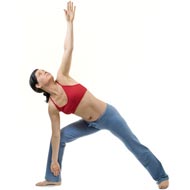
Yoga for Plantar Fasciitis