Yoga For Thyroid Disorders
Thyroid disorders are very common in people of all ages, all across the globe. According to the American Association of Clinical Endocrinologists (AACE), around 27,000,000 Americans suffer from different types of thyroid imbalance at any given point.
They also claim that thyroid disorders exceed the number of diabetes cases, by more than 40%. There are many different types of thyroid disorders that are known to affect people.

Some of the most common thyroid disorders include –
- Hypothyroidism or underactive thyroid, wherein the thyroid gland does not produce an adequate amount of the thyroxine hormone.
- Hyperthyroidism or overactive thyroid, in which the thyroid gland produces an excessive amount of thyroxine hormones.
- Postpartum thyroiditis, a problem in which a woman’s thyroid gland becomes inflamed and swells up, after delivery.
- Thyroid cancer, an uncommon type of cancer, which occurs when there is a lump or a nodule found in the thyroid gland.
- Excess weight gain or weight loss
- Fatigue
- Mood swings
- Pain in the joints and muscles
- Sleeping problems
- Water retention
Very often thyroid disorders occur due to an underlying health condition. Most types of thyroid disorders need to be treated by a doctor, without any delay. However, in addition to medical treatment you may also benefit from alternative therapies, like yoga.
In case you are using yoga for thyroid disorders, do bear in mind that this practice only alleviates the symptoms of the condition and speeds up the recovery process. Yoga does not cure thyroid problems and hence, it should be used in addition to medical treatment.
Yoga asanas for thyroid problems
Many of the thyroid disorders occur due to excessive stress. Yoga can help alleviate stress and anxiety to a great extent. This practice is also useful in maintaining the right balance between the mind and the body. Some of the other benefits of yoga include –
- Massaging and stimulating the thyroid gland
- Improving circulation all over the body
- Reducing stiffness
- Strengthening the neck, torso and shoulders
There are a few poses in yoga that improve the functioning of the thyroid gland as well as regulate your metabolism. A few of the poses in yoga for thyroid disorders include –
- Pranayama (The Yogic Breathing Technique)
- Cat Pose (Bidalasana)
- Cobra Pose (Bhujangasana)
- Bow Pose (Dhanurasana)
- Head To Toe Kneeling Pose (Janu Shirasana)
- Fish Pose (Matsyasana)
- Boat Pose (Navasana)
- Lotus Pose (Padmasana)
- Seated Forward Bending Pose (Paschimmotanasana)
- Wind Relieving Pose (Pavan Mukhtasana)
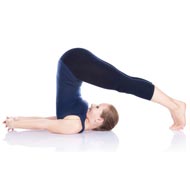
- Shoulder Stand (Sarvangasana)
- Lion Pose (Simhasana)
- Camel Pose (Ustrasana)
- Raised Foot Pose (Uttanpadasana)
- Tree Pose (Vrikshasana)
- Stick Pose (Yashtikasana)
The Surya Namaskaar or The Sun Salutation is a commonly practiced yoga sequences. This sequence comprises of 8 different yoga poses and has a positive effect on your overall health in many different ways.
The regular practice of this sequence may help alleviate thyroid problems to a great extent. .
However, before practicing these poses, or any other yoga pose, it is important for you to check with your doctor.
Pranayama for thyroid treatment
Pranayama can be described as the yogic art or the science of breath control. This practice manipulates your breath in several different ways. There are various types of breathing exercises included in Pranayama; these are –
- Nadi Suddhi or Anulom Vilom (Alternate Nostril Breathing)
- Kapalbhati (The Breath of Fire)
- Brahmari (The Bumblebee Breath)
- Ujjayi (The Victorious Breath)
Ujjayi or the Victorious Breath is widely recommended for treating thyroid problems, as this breathing technique clears out the toxins from the body. This practice also enables you to take in enough oxygen to build vital energy.
To practice Ujjayi Pranayama for thyroid problems, you need to breathe from your mouth, rather than your nose. Given below are the steps you need to follow for this breathing technique –
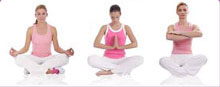
- Sit in a comfortable yoga meditative pose, like the Sukhasana (The Easy Pose) or the Padmasana (The Lotus Pose)
- Draw in a long, deep breath, using both your nostrils.
- Exhale thoroughly through your mouth, producing a “HHAAA” sound from your throat
- Repeat the exercise 5 to 10 times, in one go. Start off by practicing it 3 times a day and gradually build it up to 10. Ujjayi Pranayama should be practiced no more than 11 times a day.
It is absolutely essential for you to learn yoga poses for thyroid problems from a certified yoga instructor, who is aware of the problems you are experiencing. It is also important for you inform your doctor before you practice any yoga pose. In case your symptoms continue, or worsen after yoga, you need to stop the practice immediately and speak with your health care provider.