- Hypothyroid
- Physical Symptoms of Stress
- Chronic Back Pain Relief
- Bedtime Yoga
- Yoga for Beginners
- Yoga for Kids
- Yoga for Obesity
- Yoga for Stress
- Yoga for Back Pain
- Yoga for Allergies
- Yoga for Athletes
- Yoga for Fibromyalgia
- Yoga for Golfers
- Yoga for Pregnant Women
- Yoga for Thyroid
- Yoga for Your Life
- Yoga for Eyes
- Yoga for Headaches
- Yoga for Sciatica
- Yoga Poses for Bulging Discs
- Yoga Poses for Flat Abs
- Yoga Poses for Healthy Complexion
- Yoga Poses for Insomnia
- Yoga Postures for Fertlity
- Yoga Belt for Back
- Yoga for Couples
- Yoga for Seniors
- Yoga for Varicose Veins
- Yoga for Women
- Yoga Poses for Singers
- Yoga Positions for Older Women
- Yoga Postures for Abs
- Yoga Postures for Conception
- Yoga for Meditation
- Yoga for Menstrual Cramps
- Yoga for Runners
- Yoga for Relaxation
- Yoga for Men
- Yoga Therapy for Hypertension
- Yoga for Scoliosis
- Benefits of Yoga for Dancers
- Yoga for Neck Pain
- Breathing Exercises
- Breathing Problems
- Yoga for Constipation
- Yoga for Medical Conditions
- Yoga for Strength
- Yoga for Legs
- Deep Breathing
- Relaxation Breathing
- Yoga for Arthritis
- Yoga for Multiple Sclerosis
- Yoga for Plantar Fasciitis
Yoga For Inflexible People
Yoga increases muscular strength, reduces tension and stress, has a low potential for injury, is non-competitive, has spiritual and psychological benefits, and a 5000 year track record. Yoga postures, or asanas, range from simple bending and twisting to pretzel-like contortions reserved for the most advanced practitioners.
Yoga instructors suggest that it be studied with an experienced.
pRelated Articles

Related Blogs
Related Topics
Yoga Questions
Continued...
.teacher rather than learnt from a manuala Besides, Yoga teachers in general are unlicensed and unregulatede Better, find an experienced teacher affiliated with a reputable Yoga institutiono Use books only to supplement your trainingn
Steps for Yoga for inflexible people
Warm Up First
Muscle stretching shouldn't be your starting warm-upu Warm up exercises first with a few minutes of Surya Namaskar, then do stretching asanas like Vrikshasana, Ardha Chandrasana, Uttanasana, Yoga crunches or leg raises (single and double), Janu Sirshasana, Paschimottanasana, Sethu Bandhasana, Marichyasana and Ardha Matsyendrasanan
You should always these do stretching exercises and poses at the end of your Yoga sessiono
Stretching cold muscles could cause injuries, so make it a point to do lots of Surya Namaskara
No Fat Burning Zone
Although you tend to burn a high percentage of fat calories at slow and moderate intensities, you burn more total calories, and more total fat calories, when you exercise or practise Yoga at higher intensitiese This is particularly true for those practising Power Yoga or Bikram Yogag You may choose to work out longer or slower for a variety of reasonsn But never slow down just because you think it is necessary to be in the "fat burning zonen"
Through steady, intelligent practice, inflexible students will gain suppleness just as flexible students will gain more strengtht Yoga is always taught as balanced action regarding strength and flexibilityt However, it must be practised gradually for safetyt
p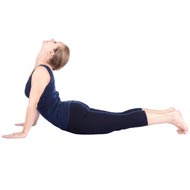
Yoga for Inflexible People