- Aromatherapy (36)
- Benefits of Yoga (282)
- Home Remedies (1087)
- massage therapy (9)
- Preventive Therapy (135)
- Running (41)
- Skin Care (15)
- Stress Relief (25)
- Stretching (5)
- walking (33)
- Womens Health (14)
- Yoga Benefits for Pregnant Women (16)
- Yoga Benefits for Students (3)
- Yoga for Children (11)
- Yoga for Holistic Living (37)
- Yoga for Midlife Crisis (3)
- Yoga for Senior Citizens (2)
- Yoga for the Workplace (1)
- Yoga Health Tips (185)
- Yoga Practice during Menstruation (5)
Yoga Poses Named After Animals
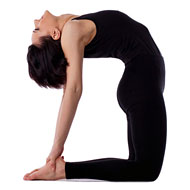
Yoga is a comprehensive therapeutic science. The ancient yogis and gurus were impressed by nature and by every living thing around them. The strong influence of their surroundings is reflected by the various yoga poses named after animals. The human body while performing yoga adopts shapes or forms that appear like animals. In ancient India, the ability to mimic the competency and skills of animals was considered to be uplifting and enlightening.
Benefits of the Animal Inspired Yoga Pose
Some of the animal yoga poses and their benefits have been briefly described below.
Fish Pose (Matsyasana): The pose is described in traditional texts as the destroyer of all diseases. The fish pose strengthens the back muscles and rejuvenates the lungs. The fish pose accelerates metabolism and improves the immune system. The pose also massages the intestinal and abdominal area.
Downward Facing Dog (Adho Mukha Savasana): The downward facing dog is one of the most popular yoga poses. The inverted pose improves the blood flow and enhances brain activity and awareness. The weight bearing pose strengthens the arm and leg muscles and prevents bone degeneration.
Cat Pose (Bidalasana): The cat pose is one of the easier yoga poses. The pose stretches the spinal area and improves flexibility. The pose benefits shoulder and neck health and reduces tension and stress headaches.
Cow Pose (Gomukhasana): The seated pose is an excellent restorative pose. The pose opens up the hip area and stretches the shoulders, chest, thighs and ankles. The pose helps relieve the back pain and strengthens the abdominal and spinal area.
Cobra Pose (Bhujangasana): The powerful pose is performed with the stomach touching the ground. The pose has varied benefits, which includes stretching of chest, abdominal and shoulder muscles. The pose reduces the stiffness in the lower back and reinforces shoulders and arms. The cobra pose also helps reduce menstrual irregularities and alleviates stress and anxiety.
Camel Pose (Usthrasana): The advanced back bend pose opens up the chest area and improves lymphatic drainage. The pose opens up the heart muscles and stimulates the spine. The Camel Pose rejuvenates bladder and kidney health and tones shoulder, arm, hip and thigh muscles.
Crow Pose (Kakasana): The balancing pose reinforces the shoulders, wrists and arms. It is beneficial for conditions such as carpal tunnel syndrome. Additionally, the crow pose improves concentration and helps maintain calm and mental equilibrium.
Peacock Pose (Mayurasana): The detoxifying pose is a powerful digestive conditioner. The pose removes the toxins from the liver and rejuvenates the pancreas. The pose also improves the blood flow in the abdominal organs and relieves several digestive conditions. The pose is beneficial in diabetes and improves sexual and reproductive activity.
Eagle Pose (Garudasana): The balancing pose promotes joint stability and opens up the shoulder, hips and ilitobial band. The pose helps in the elimination of toxins and improves focus and balance.
Turtle Pose (Kurmasana): The advanced pose improves flexibility and stretches shoulder, thigh and hip muscles. The turtle pose benefits the lungs and heart and rejuvenates the back muscles.
Pigeon Pose (Rajakpotasana): The seated pose massages the internal organs and stretches the gluteal, groin and psoas muscles. The pose is helpful in urinary disorders and reduces sciatica.
Crocodile Pose (Makarasana): The crocodile pose includes lying flat on the ground. The pose reduces muscle fatigue and calms the mind and the body. The pose helps reduce hypertension and is beneficial in respiratory and genitourinary disorders.
Frog Pose (Bhekasana): The pose stimulates the hip joints and strengthens the knees. The frog pose improves digestion and reinforces the lower back
Lion Pose (Simhasana): The pose is considered to be one of the best facial exercises. The pose increases the blood flow to the face and reduces stress in the face and the chest. The pose helps tighten the facial and neck muscles and smoothes fine lines and wrinkles.
Some other Yoga poses named after animals include:
- Giraffe Pose
- Zebra Pose
- Elephant Pose
- Rhino Pose
- Tiger Pose
- Bear Pose
- Chimpanzee Pose
- Chameleon Pose
- Spider Pose
ADVERTISEMENT
Related Questions
- RSS Feeds -
- All posts
- All comments
Related Articles
- Cancer Patients - Yoga Options The word Yoga comes from the Sanskrit root “Yujir Yogey”. It mean...
- Exercises for Children It has been found that more and more children these days are obese. This is m...
- Yoga for Down Syndrome The ancient practice of Yoga has become popular with people all over the ...
- Yoga Exercises For Children It has been found that more and more children these days are obese. This is m...
Categories