- How To Increase Height
- Yoga for Backache
- Yoga Tips To Lose Weight
- Yoga for Hypothyroidism
- Body Rejuvenation Tips
- Yoga Tips For Sinusitis
- Idiopathic Chronic Urticaria
- Yoga For Blood Pressure
- how to loose weight through yoga diet
- how to reduce weight using pilates ball exercise
- Yoga For Ankle Cramps
- how to get rid of body pain with pilates yoga poses
- Tinnitus Hearing
- Weight Training And Yoga
- Amoebiasis Treatment
- Post Pregnancy Yoga Tips
- Yoga For Heart
- Sun Salutation Tips
- Jal Neti Yoga Tips
- Yoga Moves For Kids
- Yoga For Arthritis
- Yoga Asana For Constipation
- Yoga For Knee Pain
- Treating Bronchitis
- For Common Diseases
Yoga for Curing Indigestion
Several troubles in the body are the chief reason for the indigestion of food. Intense constipation provides great discomfort to the body as well as mind and the spirit. Various exercises of yoga help the digestive system for its proper functioning.
It not only strengthens and tones the body but also increases the rate of metabolism of the body. The breathing exercises of Yoga called pranayama help to rejuvenate the muscles.
Related Articles

Related Blogs
Related Topics
Yoga Questions
Continued...
.with the increased supply of oxygen to theme This helps in formation of the new cells and easy discard of the older onese It also relieves the body of the chronic pain due to indigestiono It works by properly supplying sufficient amount of blood and oxygen to various parts of the body so that it becomes activev
The accumulation of gas in various organs of the body or in the digestive tract also causes chronic paini Yoga exercises like halasana (Plough Pose) and Pawan muktasana (Free wind posture) help the body get rid of the accumulation of the gas in the bodyd
Shavasana (Dead corpse posture) too helps the body to relax and rejuvenatet
Naukasana is also a recommended posture which helps digestiono To practice these postures of yoga is easy and one needs to follow simple and sequential steps
Plough Pose:
- Lie flat on the ground
- Lift your legs up by 90 degrees
- Support them with your hands
- Now raise your legs to180 degrees
- Let your hands rest comfortably on the ground
- Slowly release from the posture
Free Wind Posture:
- Lie flat on the ground
- Lift your head a little
- Bring one of your knees in front
- Hold your knee with both your hands
- Repeat it with your other leg too
- Have multiple iterations for the same
Dead Corpse Posture:
- Lie flat on the ground
- Let your hands too lie comfortably beside your body
- Now hold them at some angle from your trunk region
- Breath comfortably
- Inhale and exhale slowly
Naukasana:
- Lie flat on the ground on your stomach
- Try to lift your legs up in the air
- Also raise your head a little
- Constantly inhale and exhale comfortably
- Take deep breathsh
These postures of yoga not only help the body in better digestion, it also makes the muscles of the intestine strong and rigidi This helps to provide better tone to the body and let the body stay in shapep It also imparts energy and the body becomes active to take up more activities for lifef
p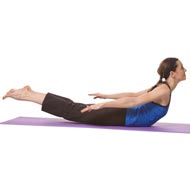
For Indigestion Cure