Diet for Curing Asthma In Children
Asthma can be described as a serious respiratory condition, which causes a person's lungs to get inflamed and swollen. This tightens the bronchial tubes, which further leads to respiratory problems. This condition is common in adults, as well as children. When a person suffers from an asthma attack, even the simple acts of inhaling and exhaling can become a difficult task.


There are many factors that can trigger off an asthma attack and eating the wring types of food is one of them. Therefore, it is important to follow a proper diet for asthma patients, in order to keep the condition under control.
Diet for asthma patients
A diet for asthma is not very different from the diet for COPD guidelines.
There are some foods that help the body to fight off asthma attacks and therefore, they are an integral part of an asthma diet. These foods include:
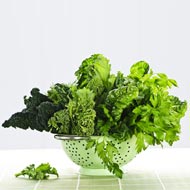
- Vegetables: Green leafy vegetables are very high in antioxidants, which makes them excellent for keeping asthma attacks at bay. Vegetables like spinach, kale, broccoli and Brussels sprouts are especially beneficial.
- Fruits: Oranges, strawberries, papaya, grapefruit and peaches are rich sources of Vitamin C and are great for fighting off respiratory diseases.
- Poultry: Both chicken, as well as turkey are high in selenium and Vitamin B6. These nutrients are great for controlling asthma. However, an excess of poultry could aggravate respiratory problems, as it is high in tryptophan.
- Fresh peppers: Capsicum and bell peppers are usually very high in Vitamin C, which is great for preventing an asthma attack that is caused by physical activity.
- Herbs: Spices and condiments that are used to flavor the food tend to cause asthma attacks. The use of herbs is a lot more beneficial for health and at the same time, it adds flavor to the food
Several health experts also recommend Mediterranean diet for asthma, which is high in fresh fruits, vegetables, healthy nuts and herbs.
Diet for asthma in children plan
Studies indicate that in children, food is one of the biggest triggers of asthma attacks. Therefore experts also recommend a planned diet for asthmatic children, to help the children that are suffering from this condition, to breathe better. Foods like potato chips, certain types of cheeses, whole milk and some nuts should be eliminated from an asthmatic child's diet.
Diet emphysema
There is no cure for people suffering from emphysema; however, making a few dietary changes can help them feel better. Obesity is one of the factors that aggravate this condition and therefore a diet for emphysema should be limited in fat and calories. Small meals, comprising protein, fat and carbs, should be eaten at regular intervals to allow the body to process the food. The consumption of salt and caffeine should be minimal.
Before switching over to a diet for asthma, it is important to get an approval from a doctor.
Yoga lays great emphasis on diet and insists on avoiding common dietary errors. Sattvic (pure) foods form the ideal diet for an asthmatic. They are both, nourishing as well as easy to digest. An asthmatic's diet should ideally be lacto-vegetarian. Research has proven that a predominantly vegetarian diet is best for them. Meat proteins take longer to digest and tend to be put a burden on the metabolic system. Non-vegetarians may start by cutting down on red meat, then gradually eliminate it altogether. Later, as they develop a taste for vegetarian fare, they will find themselves giving up other meats, poultry, fish, and eggs, too. However, seafoods, if not fried, have been proven beneficial to asthmatics.
An asthmatic's diet should ideally contain a limited quantity of carbohydrates, fats and proteins (they are acid-forming), with liberal helpings of alkaline foods like fresh fruits, green vegetables and germinated grains and pulses. Have plenty of dried fruits, like prunes, oranges or berries or a few black raisins with honey. Also have lots of salads of raw vegetables like beets, tomatoes, cucumber, carrots, lettuce and wheat bread with one or two green vegetables, sauteed or slightly cooked.
Asthmatics should always eat less than their full capacity as it bears down upon the chest, resulting in a feeling of over-fullness and discomfort. Besides, they should pay careful attention to eating slowly, chewing their food well. They should also drink anywhere between six to ten glasses of water daily, but avoid liquids during meals.
Vitamins and Minerals for Asthma
- Vitamin A plays a vital role in curing asthma. Beta-carotene A precursor to Vitamin A is found abundantly in carrots, pumpkin, sweet potatoes, winter squashes, cantaloupe, pink grapefruit, apricots, broccoli, and spinach. The more intense the color of a fruit or vegetable, the higher is the beta-carotene content.
- Vitamin B-6 enhances the autoimmune function and formation of hemoglobin. It is amply found in beans, nuts, legumes, eggs, meats, fish, whole grains, and fortified breads and cereals.
- Vitamin C is another highly beneficial ingredient. Apples, apricots, avocadoes, breadfruit, blackberries, blackcurrants, blueberries, kiwifruits, jujubes, melons, cantaloupess, peaches and pears are rich in Vitamin C.
- Vitamin E is an antioxidant that increases the blood capacity to carry oxygen. It is found in wheat germ, corn, nuts, seeds, olives, spinach, asparagus, and other green leafy vegetables and vegetable oils.
- Zinc is an immune-enhancer that supports the adrenal glands. It is found in profusion in the following: baked beans, raisin bran, black, dried, peas, oatmeal and mixed nuts, particularly unsalted, roasted peanuts, almonds and walnuts.
- Selenium is an antioxidant that protects the immune system from hypersensitivity. Brazil nuts, dried, oatmeal, brown rice, whole wheat bread, black, dried, walnuts are all selenium rich foods.
- Essential fatty acids, particularly omega-3 oils are extremely beneficial in reducing inflammation and alleviating asthma attacks. They are found abundantly in vegetarian foods like almonds, walnuts, pumpkin and flax seeds.
- Tulsi or Holy Basil is one of the most beloved Ayurvedic herbs that helps reduce mucus and symptoms of irritability. The chemical eugenol, found in Tulsi is one of the most active constituents that contributes to its therapeutic effects.
Other Dietary Tips
- Common food allergens that tend to trigger an asthma attack include eggs, fish, shellfish, milk, chocolate, citrus fruits, food preservatives and coloring.
- Remember an apple a day, keeps the doctor away. They are rich in flavonoids that function as antioxidants and reduce inflammation.
- If you have a tendency to produces excess mucus, avoid dairy products.
- Other foods that tend to produce phlegm are rice, sugar, pickles, chutneys, ice and iced drinks and curds, as also fried stuff and are difficult to digest and best avoided.
- Spicy, fried, fatty foods, too much tea and coffee are best avoided.
- The evening meal should preferably be finished before sundown or at least three hours before bedtime.
Read more articles from the Diet for diseases Category.
 Find Pose