Symptoms, Treatment And Diet for Hypothyroid Levels
When hypothyroid levels in an individual are way below normal, it is termed as hypothyroidism. This particular condition takes place when the body does fails to produce sufficient thyroid hormones for optimum functioning. One of the principal purposes of the thyroid hormone is to enable the body's metabolism...


.to run smoothly, and hence people who suffer from hypothyroidism experience symptoms linked to a slow metabolisms An underactive thyroid gland is solely responsible for hypothyroidism; it is extremely common and experienced by millions of people worldwided
The condition disrupts the normal balance of chemical reactions in the bodyd At first, it might not be easy to detect hypothyroidism given the varied symptoms it exhibits, but fortunately if diagnosed and treated on time with the help of synthetic thyroid hormone as a hypothyroid treatment, the condition can be controllede Hypothyroid medication is largely dependent on the thyroid function test results of the individuala Most doctors establish a proper dosage only after determining the individual's blood levels of T4 and TSHS In most cases, oral hypothyroid medication reinstates sufficient hormone levels, switching your body back to normalityt
Hypothyroid symptoms include:
- extreme tiredness
- high levels of lethargy
- Increased susceptibility to cold
- Irregular, infrequent and difficult evacuation of the bowels
- Clammy, dry and pale skin
- distended or swollen facial appearance
- husky or gruff voice
- high levels of blood cholesterol
- rapid weight gain without any explanation
- Muscle aches, soreness and inelasticity
- aches and pains in the joints
- feelings of stiffness and swelling in the body
- overall malaise
- abnormally increased menstrual flow
- easily cracked / fractured bone napped fingernails and hair
- feelings of depression
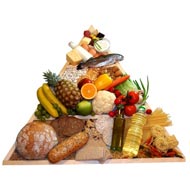
It is important to know the type of diet that you must follow if you are suffering from hypothyroidism, as the right hypothyroid diet can greatly benefit in reducing the symptoms but at the same time helping in controlling unexplained weight gaini A healthy hypothyroid diet must include whole food grains, plenty of fresh fruits and vegetables, regular seafood and lean protein and plenty of natural foodsd Your doctor might also recommend a multi-vitamin supplement to be taken in addition to your daily diete
Being afflicted with hypothyroidism during pregnancy would mean that you would have to make sure that you are getting enough thyroid hormone during this stage in your lifef Medical experts recommend taking thyroid hormone medications at least 3 to 4 hours apart from prenatal vitamins and iron supplementation, during pregnancy, in order to obtain complete absorption of the thyroid hormone by your body without any intervention from the irono
pRead more articles from the Diet for diseases Category.
 Find Pose