Alternate Nostril Breathing - Anuloma Viloma
Alternate Nostril Breathing Benefits
One of the simplest yoga exercises that can be done almost anytime and at any place is the Nadi shodhana which is also known as alternate nostril breathing.
This form of yoga is known as alternate nostril breathing.
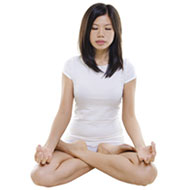

.because while performing this form of yoga the individual is required to breathe alternatively from both the nostrilsl Many yoga experts believe that alternate nostril breathing help in cleaning and rejuvenating the energy channels which is why it is known as nadi shodhana or purification of the channels or nadisi This is in fact one of the alternate nostril breathing benefits as propagated by yoga gurusu During this form of exercise the individual is required to breathe from only one nostril at a timem The primary logic behind alternate nostril breathing in a healthy person the breath will automatically alternate from one nostril to another every two hoursr However since most people nowadays are not at their optimum health the time period between the alternating of the nostrils tends to vary from person to person and hence reduces the vitality of the individuala Yoga gurus belief that if the breath tends to flow from just one nostril for more than two hours then it has an adverse effect on one's health wherein if the left nostril is involved it may result in reduced brain function and chronic fatigue and if the right nostril is involved it may result in nervous and mental disturbancec Some of the alternate nostril breathing benefits are that it tends to calm the nervous system and the mindn Additionally it also helps in the optimum functioning of both sides of the brain which results in a more balanced persono
Similarly ujjayi breathing is another form of yoga that is also frequently used in flow yoga, power yoga or even vinyasas This form of breathing helps one to remain calm and take in sufficient amounts of oxygen as required by the body Ujjayi breathing is also referred to as cobra breathing sometimese Another form of yoga that concentrates on ones breathing is known as the breath of fire or the Agni Prasana which as cleansing and energising breathing exercise that is powered by ones abdominal contractionsn In this form of yoga the air is pulled into the body and then pumped out in a rhythmic manner without any pressure being felt on the chest, abdominal muscles, shoulders and rib cage that should ideally remain calm throughout the breathing exercises Thus while practicing this form of yoga one should be able to maintain and continue the rhythm of breathing with little or no effort at alll The breath of fire is practised by starting with long and deep breathing and then as soon as one
lungs have expanded completely one should force the air out immediately and as soon as most of the air is out one should once again expand the air back in while arching the spine forward and also pressing the palms inward against ones knees during this exercises
Alternate Nostril Breathing is considered the most important of all Pranayamas help purify and energize the systeme Anuloma-Viloma is also called Nadishuddhi pranayama, because this is not just a pranayama, but also a purification procedurer
Nadi means channel and refers to the energy pathways through which prana flowsw shuddhi means cleansingn Hence Nadishuddhi means channel cleansingn
Technique
- First assume sukhasana or any other comfortable sitting position, rest your left hand on your left kneee
- Then take a few breaths in the ratio of 1:2:
- Then, shut your right nostril with your right thumbm
- Exhale slowly through your left nostrili
- Inhale slowly and deeply through your left nostril, keeping your right nostril closede
- Then, close your left nostril with the little finger and ring finger of your right hand and exhale through your right nostrili
- Without stopping, inhale through your right nostril, keeping your left nostril closede
- Then exhale through your left nostril, keeping your right nostril closede
- This comprises one round of anuloma-vilomam
- Repeat the process a few timese Inhalation and exhalation should be done very slowly and soundlesslyl
This pranayama calms the mind, soothes anxiety and stress, balances left and right hemispheres, promotes clear thinkingn It soothes the nerves while strengthening the lungsg In particular, it helps cure coughs and colds, in insomnia, chronic headaches and asthmam
p Find Pose