Restorative Yoga Poses
Restorative yoga is a special type of yoga that focuses on restoring the body and relieving stressed muscles of the body. Restorative yoga poses are based on Yin yoga, which is a form of Taoist yoga that focuses on the hips, thighs, pelvis and lower spine.
Restorative yoga gently relaxes connective tissue and helps restore the suppleness of joints.

Restorative yoga poses sequences
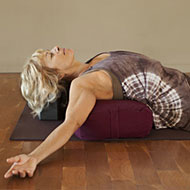
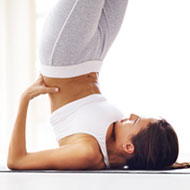
Restorative yoga involves gentle stretching of the muscles into a relaxed position without straining. This is usually done using floor asanas (postures), which last for 3 to 5 minutes per asana. It involves 3 or 4 sequences of positions to help your body relax completely. This is done using some props or support mechanisms as listed below.
- Blocks
- Yoga straps
- Blankets
- Balls
- Sandbags
- Bolsters
- Eyebags
Benefits of restorative yoga
There are many types of yoga techniques followed around the world; however, our busy lives demand that we allow the body time to heal itself, and that is what restorative yoga is all about. Listed below are some of the benefits of restorative yoga poses.
- Restores the suppleness of connective tissue
- Provides Inner healing
- Calms the nerves
- Helps in complete relaxation
- Restores Immune system functions
- Reduces blood pressure
- Reduces blood sugar levels
- Boosts good cholesterol levels
- Reduces digestive problems
- Prevents insomnia
- Increases fertility
Restorative yoga postures
Restorative yoga poses are usually easy to perform and will help relax the body completely. These are some of the common restorative yoga postures.
- Viparita Karani (Legs Up Pose): This is a legs-up-the-wall posture, with the back and hips supported by a yoga bolster or blankets.
It increases blood circulation to the head and heart, and it is recommended for those with high blood pressure and for menstrual pain. - Paschimottanasana (Seated Forward Bend): In this posture, legs are stretched straight out in front and held down using blankets and the upper body bends forward. It relaxes hamstring muscles and muscles of the lower back, and it is recommended for those with lower back pain.
- Balasana (Child Pose): This posture is similar to that of one in prayer. In this posture, the person should sit on their knees, with a yoga bolster between their legs, with their upper body facing down and hands stretched out in front of them. It is recommended for those with headaches and for those who are constantly tired. It helps relieve neck pain, high blood pressure and menstrual pains.
If you find that you are constantly tired and experience chronic aches and pains all the time, try out restorative yoga. These restorative yoga poses may just be the thing to help you feel good both inside and out.