- Arm Stretches
- Chest Stretches
- Shoulder Stretches
- Leg Stretches
- Knee Stretches
- Lower Back Stretches
- Hamstring Stretches
- Running Stretches
- Back Stretches
- Thigh Stretches
- Groin Stretches
- Neck Stretches
- Glute Stretches
- Hip Stretches
- Golfers Stretches
- Calf Muscles Stretches
- Ankle Stretches
- Iliotibial Band Stretches
- Piriformis Stretches
- Warm Up Stretches
- Dynamic Warm Up Stretches
- Soleus Stretch
- Gastrocnemius Stretch
- Lumbar Stretches
- Quadricep Stretches
- Ballistic Stretching
- Adductor Stretch
- Bicep Stretch
- Triceps Stretch
- Spine Stretches
- Upper Back Stretches
- Abdominal Stretches
- Types of Stretching
Stretching
Your ability to move your joints through their full range of motion indicates how flexible you are. The tighter your joints and muscles, the less you will be able to function normally. This range of movement is important in everyday activities as well as in terms of specific sports performance.
Flexibility can also prevent future injury and you can improve your flexibility by stretching. Stretching involves deliberately lengthening the muscles through.
Related Articles

Related Blogs
Related Topics
Yoga Questions
Continued...
.a series of specific movements and exercisese Stretching not only increases your flexibility but also improves your posture and blood circulation and reduces stresss
There are four basic types of stretching techniques that you can uses
Ballistic stretching : It involves bouncing movements and repetitionsn However, this type of stretching is no longer considered safe for the muscles and joints and is rarely usede
Dynamic stretching : It incorporates stretching with momentum and movementst These movements mimic the activity to follow and prepare the body for an intense work outu Dynamic stretching is used in warm up routines by athletes and in sports like soccere
Static stretching : It involves stretching a muscle to its maximum point for a period of timem There should be mild pain felt during this kind of stretching to gain the most benefitst
Proprioceptive Neuromuscular Facilitation (PNF) stretching: It uses a partner who pushes and pulls your musclese This aided contraction and relaxation of the muscles leads to faster improved flexibility as compared to any other type of stretching techniqueu
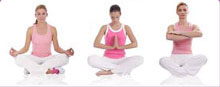
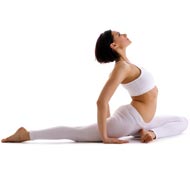
Yoga stretching is another form that is extremely effective in improving your flexibilityt Traditional yoga poses aim for balance and symmetryr Because of this it requires a full range of motion that brings to the fore the abilities and limitations of your own bodyd Once you face these limitations, yoga can help you discover a hidden strength in your mind and bodyd Through consistent yoga practice you will be able to push your body further than before while building strength, concentration and improving your body’s natural alignmentn
Stretching Routine
Before starting any routine there are some stretching tips that you should always remembere Keep in mind that stretching is part of a warm up and not the warm up itselfl Begin your routine with some light cardio such as jogging or walking to warm the muscles and jointst Move in and out of your stretches slowly and focus on the part of the body that is being stretchede Breathe normally at all times and hold each stretch for a minimum of ten to fifteen secondsd Holding your breath during a stretch will prevent you from reaching your optimum range and tire you out faster as welll Stretching involves pain but this pain should be a mild discomfort onlyl Any sharp, shooting pain means you risk injury and you should stop your stretch immediatelyl
Beginner And Ideal Stretching Routine
Whether you are a beginner or a professional athlete, a daily stretching routine before your workout is imperativev Many people are unsure about how to perform stretches and in what order they should be donen A beginner stretching routine should be done under the supervision of a trainer to ensure that the exercises are practiced properlyl A trainer will also customize the best stretching routine for your specific requirementst An ideal stretching routine for flexibility should begin with exercise for your upper and lower backc After this you can move on to stretching your side and your glutese Once the glute muscles are warmed up, you will be in a better position to stretch your hamstringsg
Best Time For Stretching
Later you can move on to stretches for your claves, shins, and quadriceps (in that order)r You can end your stretching routine with your arm and chests The best time for you to stretch might depend on your internal body clockc Some people are more open to exercise in the morning whereas others prefer working out in the evening or even at nighth Reports indicate that flexibility is at its peak in the late afternoon or early eveningn If this is true then you will be able to stretch your body optimally during this timem Ultimately, it is you alone who will know what the best time is for your stretching routine and workoutu If you are considering a yoga stretching routine to improve your flexibility, make sure you perform the exercises only under the guidance of a trained yoga instructoro A yoga stretching routine involves a series of poses along with breathing exercises that can work your entire body from inside outu Start with a beginner’s class and work your way from there improving your strength and flexibility along the waya
Stretching Exercises
There are a number of easy stretching exercises that you can do anyway – at home, at your gym, or even outdoorsr
Neck rolls reduce the tension in your neck and shoulders and reduce stress in the bodyd
- Back stretches : It releases the strain on your back muscles and helps align your spinen These stretches are typical of yoga stretching exercises and improve your posture as welll
- Side and forward bends : It helps stretch the muscles on your waist and lower back and warm up the hamstring musclese
- Hamstring stretch : It is one of the best stretching exercises as it makes your entire lower body more flexiblel Stretching your hamstring can also strengthen your lower backc
- Quadriceps and inner thigh stretches : These are ideal stretching exercises for flexibility as they also open out your hip joints and increase your range of motiono
You may notice that flexibility decreases as your body agese However, this does not mean that stretching is not recommended for seniorsr Rather it’s just the opposite where stretching exercises for seniors are imperative to keep the body pliable and flexible and prevent any injuryr
Stretching Exercises For Seniors
Stretching can also reduce pains and aches and keep you supple no matter what your ageg Stretching exercises for seniors generally involves only static stretching techniques where a position is help for a certain period of timem This is the safest way of stretching to lengthen your muscles and improve your range of movementst If you have suffered from any injury or illness and your movements are restricted, it is even more important to work out that particular areae The best stretching exercises here would include one or two types of stretches for each area of the bodyd Repeat each stretch between three to five times and hold for a maximum of 30 secondsd Remember to warm up before stretching and breathe normally throughout the routinen
Office Stretching Exercises
Working at a desk the whole day can ruin your posture and reduce your flexibility greatlyl Office stretching exercises are important if you lead such a sedentary life and complain of chronic back, neck, and shoulder paini There are specific exercises that you can do at your desk itself to relieve tension in these areas and improve your posturer
Try stretching your chest muscles to counteract the constant hunch over your desks Shoulder shrugs are a great way to release stress in your shoulder and necks and improve circulationo If you have a phone crooked in your neck and shoulder the whole day, your upper back will be tense and tighth Upper back stretches can strengthen these muscles and prevent any repetitive stress injuryr One of the best stretching exercises to do in office is the spine twists If you sit for long periods of time, this can open up your vertebrae and relieve any tightness and pain that you feele Add to these some arm stretches and wrist rotations to keep your arms and hands loose and flexiblel
Benefits Of Stretching
When done properly, the health benefits of stretching are amazingn
- Stretching can increase your stamina, relax your body and mind, improve focus and concentration and reduce the risk of injuryr
- Other benefits of stretching include reduced stress and tension, and lesser chances of muscle pain and soreness post your work out and increased flexibility and supplenesss
- Make sure that at no point in your stretching routine do you overstretch, perform the exercises in a wrong sequence and do not warm up properly beforer
- These are some of the common mistakes made when stretching and can lead to injury and paini
- Stretching needs to be done, both before and after a workoutu
- As mentioned before stretching is not a warm up but rather an important part of a warm upu
- A proper warm up raises your body temperature by a few degrees and prepares your muscles and joints for more exercises
- Making your muscles more elastic and reducing your risk of injury are the benefits of stretching before exercises
- Stretching out post your work out is also part of the cooling down processs
- The benefits of stretching after exercise include reducing muscle fatigue and sorenesss
- Stretching after exercise can lower the buildup of lactic acid in your muscles and help eliminate tightness and any chance of damageg
- To gain the most benefits from any stretching routine, the one thing to remember is to breathe properlyl Slow, relaxed breaths through the nose and not the mouth can improve the flow of oxygen into the bloodo
- As a result circulation improves, as does the smooth functioning of the different systems of the body systemsm
Stretching