- Yoga Exercises for Neck
- Yoga Ball Exercises
- Beginner Yoga Exercises
- Exercises For Neck
- Back Stretching Exercises
- Best Abdominal Exercises
- Exercises For Lower Back Pain
- Flatten Stomach Exercises
- Weight Loss Exercise
- Lower Abdominal Exercises
- Back Pain exercises
- Arm Exercises For Women
- Free Weight Exercises
- Lose Stomach Fat
- Upper And Lower Back Exercises - Stretches And Workout For Back Pain
- Severe Back Pain
- Ankle Strengthening Exercises
- Exercises for Stomach
- Exercising During Pregnancy
- Muscular Strength Exercises
- Thigh Slimming Exercises
- Free Ab Exercises
- Tennis Ball Exercises
- Yoga exercises to get rid of a flat butt
- Cool Down Stretches
- Resistance exercise
Exercises For Sciatic Nerve
Exercises Herniated Disc
Exercise is a good way to get rid of the pain you feel when you have a herniated disc. Herniated disc exercises include stretching exercises like Knee Chest Exercise, Knee Rolls Exercise, Therapy Ball Exercise and Back Extension Exercise.
Do check with your physician before starting any kind of exercise.
Related Articles

Related Blogs
Related Topics
Yoga Questions
Continued...
Exercises For Lower Back Pain
Lower back pain exercises comprise of small crunches, pelvic tilts, one leg raises, side leg raises, cat arch, opposite arm-leg extension and stretching exercises. Certain yoga exercises which can be followed include (but are not limited to) Surya Namaskar (Sun Salutation), Ardha Matsyendrasana (Spine Twist) and Balasana (Child's Pose).
Exercises Sciatica Treatment
Sciatica treatment depends on the type of pain you experience and the cause of it too. Exercise and muscle stretching is essential for sciatica patients. These exercises assist in adding support to the lower back, flexibility and aid in correcting posture. Another form of treatment is a surgery called lumbar laminectomy. Anti inflammatory drugs, muscle relaxants, anticonvulsants, tricyclic antidepressants and epidural injections can also be prescribed to treat the pain.
Yoga Sciatic Nerve
Shooting pain is felt when the sciatica nerve is damaged. Yoga is a good way to ease the pain and the following exercise have been found beneficial: Sukhasana (Easy Pose), Bharadvajasana I (Torso Twist), Upavistha Konasana (Wide Angle Seated Forward Bend), Salambhasana (Locust Post), Adho Mukha Shvanasana ( Downward facing dog), Ardha Chandrasana.( Half Moon Pose.), Setu Bhandasana.( Bridge pose), Sarvangasana( Shoulder stand), Svasana (Corpse Pose), Eka pada kapotasana (Pigeon Pose).
Exercises Hip Pain
Simple hip pain exercises that help to alleviate the pain are hip abductions, wall slides, hip flexor stretching, leg swings and cross leg pulls.
Piriformis Sciatic Nerve
The piriformis syndrome is one of the reasons for sciatica pain. The syndrome occurs when the piriformis muscle becomes tight and presses on the sciatic nerve. It is important to find out what action is causing the pain and then to take steps to minimize it. Use a tennis ball on the sore spots until the muscles relax, do a few squats or even apply heat and cold therapy.
Pinched Sciatic Nerve
It is necessary to exercise in order to relive the pain from a pinched nerve. Bed rest can be taken for a day or two but physical activity will help to lessen the pain. A physical therapist is the best person to recommend the type of exercise needed to treat sciatica pain. This will depend on the cause of the pain. It is vital to do these exercises for sciatica nerve damage correctly and at least twice a day.
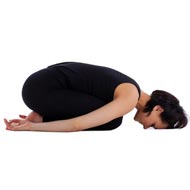
Exercises for Sciatic Nerve